Comparison
Celestron AstroMaster 114EQ vs Celestron StarSense Explorer DX 130AZ
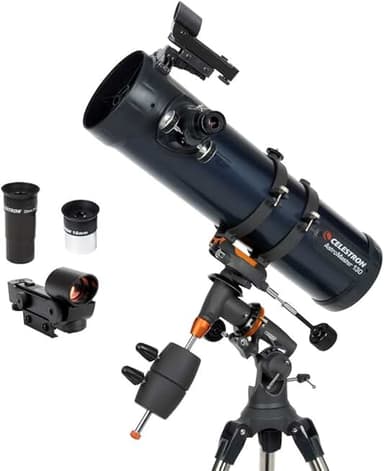
VS
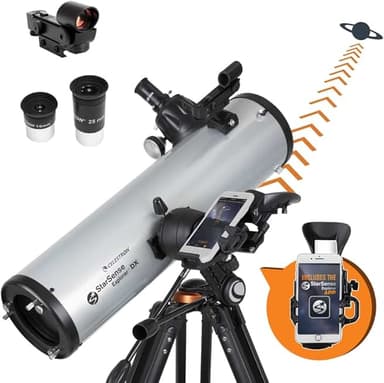
Performance Profile
Score Comparison
Celestron AstroMaster 114EQCelestron StarSense Explorer
Overall
70
73
Value
75
64
Beginner
45
41
Astrophoto
46
53
Portability
60
57
Planetary
47
50
Deep Sky
39
54
Our Take
The Celestron StarSense Explorer DX 130AZ emerges as the better choice for most amateur astronomers, though the decision depends on your priorities and experience level. The single most important differentiator is aperture and observing focus. The StarSense Explorer's larger 130mm aperture and shorter f/5 focal ratio excel at deep sky observation, scoring 54 versus 39 for the AstroMaster.
This means significantly brighter views of nebulae, galaxies, and star clusters. The AstroMaster's longer f/8.8 ratio and equatorial mount favor planetary detail and long-exposure astrophotography, but its inferior scores in these categories (47 and 46 respectively) suggest the optical advantage doesn't translate to real-world superiority. The AstroMaster 114EQ suits budget-conscious beginners prioritizing planetary viewing on a strict budget of under 250 dollars.
The StarSense Explorer DX 130AZ is ideal for observers willing to invest moderately more for versatile performance across all observing types, particularly deep sky objects. The StarSense Explorer's automated GoTo tracking and larger aperture justify the additional cost. Unless you specifically want an equatorial mount for astrophotography or need to minimize weight, the StarSense Explorer delivers better overall value and observing experience.
Key Differences
Why choose Celestron AstroMaster 114EQ
- $184 cheaper
- 2.1kg lighter and more portable
- Higher Value score (75 vs 64)
- Higher Amazon rating (4.4 vs 4.1 stars)
Why choose Celestron StarSense Explorer
- 130mm aperture gathers more light than 114mm
- Has tracking capability for astrophotography
- Faster f/5 for wider field of view
- Higher Deep Sky score (54 vs 39)
Specifications
SpecCelestron AstroMaster 114EQCelestron StarSense Explorer
Optical Specs
Aperture114mm130mm
Focal Length1000mm650mm
Focal Ratiof/8.8f/5
Optical DesignNewtonianNewtonian
Mount & Tracking
Mount TypeEquatorialAlt-Az
GoToNoNo
TrackingNoYes
Physical
Weight6.02kg8.16kg
Included Accessories
FinderStarPointerStarPointer
Pricing & Reviews
Price$245$429
Amazon Rating4.4 stars4.1 stars
Reviews1,4461,550
Try these telescopes in our Eyepiece Calculator:
Related Comparisons
Celestron AstroMaster 114EQ vs Telescope, 150EQ Newtonian Reflector Telescope for Adults Astronomy BeginnersCelestron StarSense Explorer DX 130AZ vs Telescope, 150EQ Newtonian Reflector Telescope for Adults Astronomy BeginnersCelestron AstroMaster 130EQ vs Celestron StarSense Explorer DX 130AZCelestron StarSense Explorer DX 130AZ vs SVBONY SV503 102mm ED RefractorCelestron AstroMaster 114EQ vs Explore Scientific FirstLight 114mmCelestron StarSense Explorer DX 130AZ vs SVBONY SV503 80mm ED Refractor