Comparison
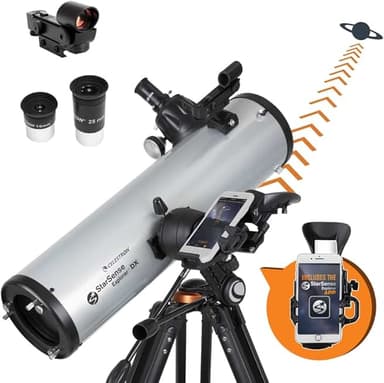
Celestron 114LCM vs Celestron StarSense Explorer DX 130AZ
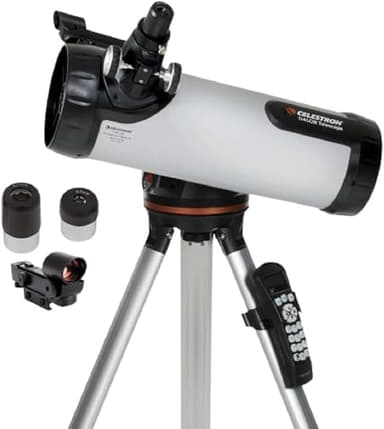
VS
Performance Profile
Score Comparison
Celestron 114LCMCelestron StarSense Explorer
Overall
82
73
Value
76
64
Beginner
62
41
Astrophoto
53
53
Portability
60
57
Planetary
56
50
Deep Sky
56
54
Our Take
The Celestron 114LCM emerges as the clear winner for most amateur astronomers, scoring 9 points higher overall with significantly better beginner-friendliness and more balanced performance across all observing categories. The single most important differentiator is aperture efficiency versus usability. The 114LCM's 114mm aperture paired with its f/8.8 focal ratio delivers superior optical performance and planetary detail with manageable weight at 5.99kg.
The StarSense Explorer DX 130AZ offers larger 130mm aperture but its shorter f/5 focal ratio produces lower magnification views, compromises contrast, and adds 2.17kg of heft that impacts portability without delivering corresponding gains in deep-sky performance where it scores nearly identically. The 114LCM suits beginners and visual observers seeking optical quality and ease of use without excessive bulk, while the StarSense Explorer DX 130AZ appeals only to those prioritizing maximum light-gathering over handling convenience and who can tolerate its steeper learning curve. Buy the Celestron 114LCM; it offers superior value, better optical performance for its price point, and proven beginner-friendly scoring that reflects real-world usability.
Unless you specifically need maximum aperture and can accept the weight penalty, the 114LCM's $76 price advantage and higher performance scores make it the obvious choice.
Key Differences
Why choose Celestron 114LCM
- 2.2kg lighter and more portable
- Includes GoTo mount for automatic object finding
- Higher Value score (76 vs 64)
- Higher Beginner score (62 vs 41)
Why choose Celestron StarSense Explorer
- 130mm aperture gathers more light than 114mm
- Faster f/5 for wider field of view
Specifications
SpecCelestron 114LCMCelestron StarSense Explorer
Optical Specs
Aperture114mm130mm
Focal Length1000mm650mm
Focal Ratiof/8.8f/5
Optical DesignNewtonianNewtonian
Mount & Tracking
Mount TypeAlt-AzAlt-Az
GoToYesNo
TrackingYesYes
Physical
Weight5.99kg8.16kg
Included Accessories
FinderStarPointerStarPointer
Pricing & Reviews
Price$400$429
Amazon Rating4.2 stars4.1 stars
Reviews9801,550
Try these telescopes in our Eyepiece Calculator:
Related Comparisons
Celestron StarSense Explorer DX 130AZ vs Telescope, 150EQ Newtonian Reflector Telescope for Adults Astronomy BeginnersCelestron AstroMaster 130EQ vs Celestron StarSense Explorer DX 130AZCelestron 114LCM vs HSL 150EQ Astronomical Reflector Telescope for Adults high PoweredCelestron StarSense Explorer DX 130AZ vs SVBONY SV503 102mm ED RefractorCelestron StarSense Explorer DX 130AZ vs SVBONY SV503 80mm ED RefractorCelestron 114LCM vs Explore Scientific FirstLight 114mm