Comparison
Telescope 70mm Aperture 500mm - for Kids & Adults Astronomical refracting Portab vs Telescope for Kids & Adults, 70mm Aperture 360mm Refractor (15X-150X) Telescope
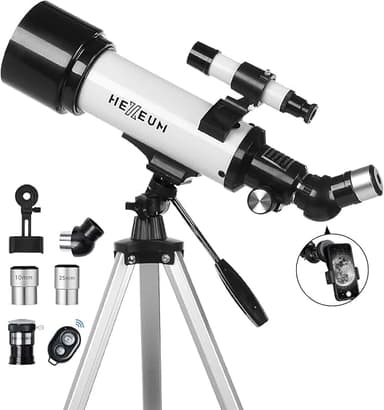
VS
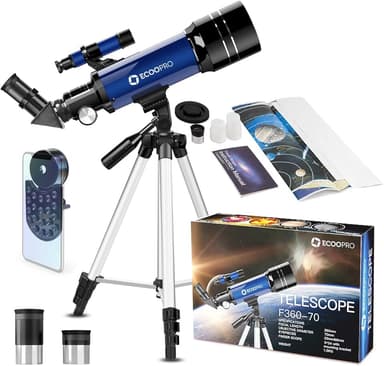
71Very Good
Amazon's Choice
Performance Profile
Score Comparison
Telescope 70mm ApertureTelescope for Kids
Overall
67
71
Value
95
95
Beginner
49
48
Astrophoto
32
37
Portability
64
64
Planetary
30
40
Deep Sky
37
40
Our Take
The 70mm Aperture 360mm Refractor emerges as the stronger choice for most amateur astronomers. Both telescopes share identical apertures and similar alt-azimuth mounts, but the 360mm model's shorter focal length delivers tangible advantages. Its f/5.14 ratio gathers light more efficiently than the 500mm's f/7.10, producing brighter images across planetary, deep-sky, and astrophotography applications. The performance gap appears modest on paper, yet it compounds during actual observation.
The decisive differentiator is weight and handling: at 1.40kg versus 2.45kg, the 360mm refractor is substantially more portable. This matters considerably for amateur astronomers who tire easily or frequently relocate their equipment to darker skies. Purchase the 70mm Aperture 500mm model only if you prioritize the longest possible focal length for casual lunar observation and accept its marginal performance trade-offs. The 70mm Aperture 360mm Refractor suits everyone else, from families introducing children to astronomy through adults seeking reliable, portable deep-sky observation.
The 360mm refractor's superior optical efficiency, lighter weight, and consistent scoring advantages across multiple observing categories justify its modest five-dollar premium. It represents the sounder investment.
Key Differences
Why choose Telescope 70mm Aperture
No significant advantages identified.
Why choose Telescope for Kids
- $7 cheaper
- 1.1kg lighter and more portable
- Faster f/5.14 for wider field of view
Specifications
SpecTelescope 70mm ApertureTelescope for Kids
Optical Specs
Aperture70mm70mm
Focal Length-360mm
Focal Ratiof/7.1f/5.14
Coating-Fully Multi-Coated
Mount & Tracking
Mount TypeAlt-AzAlt-Az
GoToNoNo
TrackingNoNo
Physical
Weight2.45kg1.4kg
Included Accessories
Finder5x24 optical finder5x24 optical finder
Pricing & Reviews
Price$65$58
Amazon Rating4.3 stars4.2 stars
Reviews4,0952,122
Try these telescopes in our Eyepiece Calculator:
Related Comparisons
Celestron 1.25 Inch X-Cel LX 3X Barlow Lens, Black vs Telescope 70mm Aperture 500mm - for Kids & Adults Astronomical refracting PortabRefractor Telescope with Finder Scope for Kids & Astronomy Beginners vs Telescope 70mm Aperture 500mm - for Kids & Adults Astronomical refracting PortabGskyer 70AZ vs Telescope 70mm Aperture 500mm - for Kids & Adults Astronomical refracting PortabTelescope 70mm Aperture 500mm - for Kids & Adults Astronomical refracting Portab vs Telescopes for Adults AstronomyCelestron Travel Scope 70 Portable Refractor Telescope – 70mm Aperture vs Telescope for Kids & Adults, 70mm Aperture 360mm Refractor (15X-150X) TelescopeTelescope for Kids & Adults, 70mm Aperture 360mm Refractor (15X-150X) Telescope vs Telescopes, Telescope for Kids and Adults Beginners