Comparison
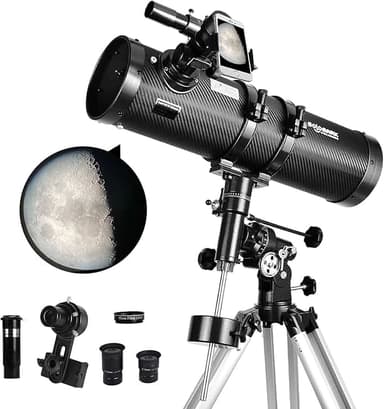
National Geographic NT114CF vs Telescope 130EQ Newtonian Reflector Telescopes for Adults
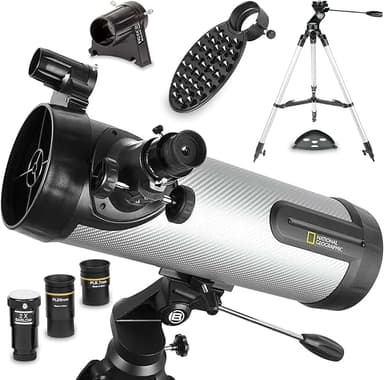
VS
Performance Profile
Score Comparison
National Geographic NT114CFTelescope 130EQ Newtonian
Overall
70
70
Value
87
81
Beginner
41
43
Astrophoto
39
51
Portability
61
47
Planetary
40
44
Deep Sky
45
40
Our Take
It depends on your priorities and commitment level. Both score identically at 70/100 overall, but they serve different purposes. The single most important differentiator is the equatorial mount on the 130EQ. This tracking capability transforms astrophotography and planetary observation by keeping objects centered without constant manual adjustment. The National Geographic NT114CF's simpler alt-az mount cannot compete here.
However, the National Geographic NT114CF excels where portability matters. At 4.87kg, it's genuinely transportable and suitable for observers with limited storage space or those frequently traveling to dark sites. Its compact design makes setup quick, ideal for casual evening viewing. The 130EQ Newtonian demands commitment. At nearly 15kg and requiring more complex setup, it's a stationary observatory scope. Yet its larger 130mm aperture and equatorial mount justify the investment for serious astrophotography work and detailed planetary study.
Buy the National Geographic NT114CF if you value convenience and want a casual backyard scope for general viewing. Buy the 130EQ if you're ready to invest in equipment that stays in one location and you want real astrophotography capabilities. For most dedicated amateur astronomers, the 130EQ's tracking capability and aperture advantage make it the better long-term value despite its portability penalty.
Key Differences
Why choose National Geographic NT114CF
- $122 cheaper
- 9.8kg lighter and more portable
- Higher Portability score (61 vs 47)
Why choose Telescope 130EQ Newtonian
- 130mm aperture gathers more light than 114mm
- Has tracking capability for astrophotography
- Higher Astrophoto score (51 vs 39)
- 1,290 Amazon reviews vs 39
Specifications
SpecNational Geographic NT114CFTelescope 130EQ Newtonian
Optical Specs
Aperture114mm130mm
Focal Length500mm-
Focal Ratiof/4.4-
Optical Design-Newtonian
Coating-Coated
Mount & Tracking
Mount TypeAlt-AzEquatorial
GoToNoNo
TrackingNoYes
Physical
Weight4.87kg14.7kg
Included Accessories
FinderRed dot finderFinder scope
Pricing & Reviews
Price$148$270
Amazon Rating4.0 stars4.3 stars
Reviews391,290
Try these telescopes in our Eyepiece Calculator:
Related Comparisons
Explore Scientific AR 80/900 vs Telescope 130EQ Newtonian Reflector Telescopes for AdultsTelescope 130EQ Newtonian Reflector Telescopes for Adults vs Telescope for Adults High PoweredSVBONY SV503 80mm ED Refractor vs Telescope 130EQ Newtonian Reflector Telescopes for AdultsExplore Scientific 62 Degree 26mm Waterproof Telescope Eyepiece vs National Geographic NT114CFCelestron StarSense Explorer LT 114AZ vs National Geographic NT114CFNational Geographic NT114CF vs Telescope for Adults High Powered