Comparison
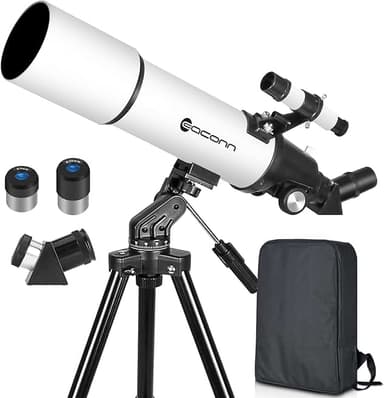
National Geographic Explorer 114mm vs Telescopes for Adults Astronomy
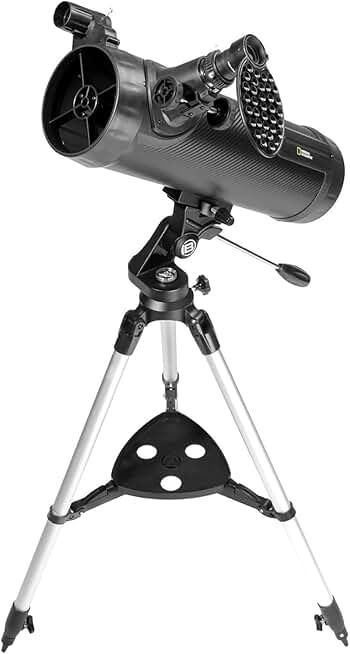
VS
Performance Profile
Score Comparison
National Geographic ExplorerTelescopes for Adults
Overall
73
68
Value
94
93
Beginner
48
47
Astrophoto
39
32
Portability
63
65
Planetary
42
39
Deep Sky
45
37
Our Take
The National Geographic Explorer 114mm emerges as the better choice for most amateur astronomers. It scores higher across nearly every category that matters: overall performance (73 vs 69), planetary observation (42 vs 39), deep sky viewing (45 vs 37), and astrophotography (39 vs 32). The critical differentiator is aperture; the Explorer's 114mm opening collects 28 percent more light than the Telescopes for Adults Astronomy's 80mm, delivering noticeably brighter and more detailed views of nebulae, galaxies, and lunar features.
The trade-off is weight and portability. At 2.27kg versus 0.84kg, the Explorer is significantly heavier, though still manageable for most observers. Both telescopes tied on beginner score (48/100), suggesting similar ease of use despite their aperture difference. The National Geographic Explorer 114mm suits observers prioritizing image quality and willing to accept slightly more bulk.
The Telescopes for Adults Astronomy appeals exclusively to those who demand maximum portability, accepting notably reduced light-gathering and image quality as the compromise. For most amateur astronomers establishing a first serious telescope, the National Geographic Explorer 114mm delivers superior performance at a modest price premium. Its extra aperture makes the difference worthwhile.
Key Differences
Why choose National Geographic Explorer
- 114mm aperture gathers more light than 80mm
- Faster f/4.4 for wider field of view
Why choose Telescopes for Adults
- 1.4kg lighter and more portable
- Higher Amazon rating (4.4 vs 4.1 stars)
- 2,037 Amazon reviews vs 128
Specifications
SpecNational Geographic ExplorerTelescopes for Adults
Optical Specs
Aperture114mm80mm
Focal Length500mm600mm
Focal Ratiof/4.4f/7.5
Optical DesignNewtonian-
Mount & Tracking
Mount TypeAlt-AzAlt-Az
GoToNoNo
TrackingNoNo
Physical
Weight2.27kg0.84kg
Included Accessories
FinderRed dot finder5x24 optical finder
Pricing & Reviews
Price$100$100
Amazon Rating4.1 stars4.4 stars
Reviews1282,037
Try these telescopes in our Eyepiece Calculator:
Related Comparisons
Telescope 70mm Aperture 500mm - for Kids & Adults Astronomical refracting Portab vs Telescopes for Adults AstronomyExplore Scientific FirstLight AR90mm White Tube Refractor Telescope with Alt/AZ vs National Geographic Explorer 114mmNational Geographic Explorer 114mm vs Telescope, Telescope for Adults High Powered ProfessionalTelescope 70mm Aperture 500mm - for Kids & Adults Astronomical refracting Portab vs Telescopes for Adults AstronomyTelescope, Telescope for Adults & Kids vs Telescopes for Adults AstronomyTelescope for Adults & Kids, 70mm Aperture Refractor (15X-150X) Portable Travel vs Telescopes for Adults Astronomy