Comparison
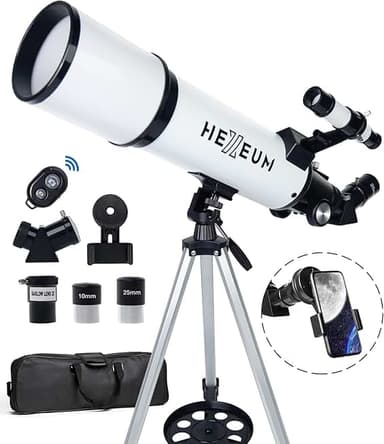
National Geographic Explorer 114mm vs Telescope 80mm Aperture 600mm - Astronomical Portable Refracting Telescope Fully
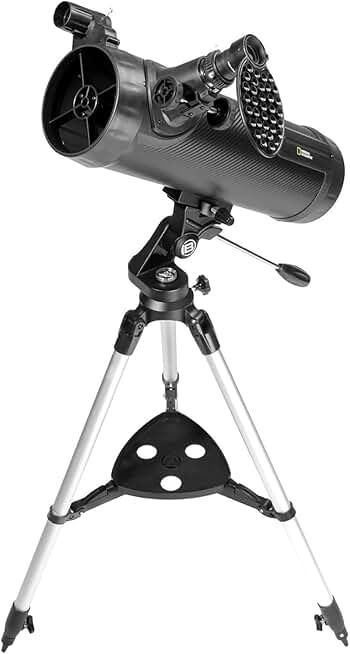
VS
Performance Profile
Score Comparison
National Geographic ExplorerTelescope 80mm Aperture
Overall
73
67
Value
94
94
Beginner
48
47
Astrophoto
39
33
Portability
63
63
Planetary
42
32
Deep Sky
45
38
Our Take
The National Geographic Explorer 114mm is the clear winner for most amateur astronomers. The single most important differentiator is aperture size; the Explorer's 114mm opening collects significantly more light than the 80mm refractor, delivering noticeably brighter views of deep-sky objects and superior detail on planetary surfaces. This translates to real performance advantages across all observing categories, where the Explorer scores 10+ points higher in planetary, deep-sky, and astrophotography work.
Both telescopes tie on beginner-friendliness and portability, yet the Explorer weighs slightly less despite its larger mirror, making it actually easier to transport. The price difference of just $19 makes this an easy recommendation. The National Geographic Explorer 114mm suits observers prioritizing light-gathering power and overall viewing quality across all celestial targets.
The Telescope 80mm Aperture 600mm refractor works best for observers whose primary concern is affordability and who accept compromised performance on demanding targets like faint nebulae and distant galaxies. Buy the National Geographic Explorer 114mm; it delivers substantially better performance for negligible additional cost and weight.
Key Differences
Why choose National Geographic Explorer
- 114mm aperture gathers more light than 80mm
- Faster f/4.4 for wider field of view
Why choose Telescope 80mm Aperture
- 4,948 Amazon reviews vs 128
Specifications
SpecNational Geographic ExplorerTelescope 80mm Aperture
Optical Specs
Aperture114mm80mm
Focal Length500mm-
Focal Ratiof/4.4f/6.7
Optical DesignNewtonian-
Mount & Tracking
Mount TypeAlt-AzAlt-Az
GoToNoNo
TrackingNoNo
Physical
Weight2.27kg2.72kg
Included Accessories
FinderRed dot finder5x24 optical finder
Pricing & Reviews
Price$100$95
Amazon Rating4.1 stars4.3 stars
Reviews1284,948
Try these telescopes in our Eyepiece Calculator:
Related Comparisons
Celestron Travel Scope 70 Portable Refractor Telescope – 70mm Aperture vs Telescope 80mm Aperture 600mm - Astronomical Portable Refracting Telescope FullyTelescope 80mm Aperture 600mm - Astronomical Portable Refracting Telescope Fully vs Telescopes for Adults AstronomyTelescope 80mm Aperture 600mm - Astronomical Portable Refracting Telescope Fully vs Telescope for Adults & Kids, 70mm Aperture Refractor (15X-150X) Portable TravelExplore Scientific FirstLight AR90mm White Tube Refractor Telescope with Alt/AZ vs National Geographic Explorer 114mmNational Geographic Explorer 114mm vs Telescope, Telescope for Adults High Powered ProfessionalCelestron 1.25 Inch X-Cel LX 3X Barlow Lens, Black vs Telescope 80mm Aperture 600mm - Astronomical Portable Refracting Telescope Fully