Comparison
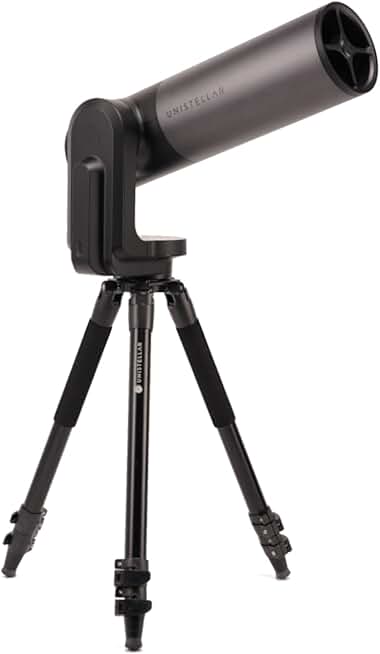
DWARFLAB DWARF 3 vs Unistellar eVscope Equinox

Performance Profile
Score Comparison
Unistellar eVscope Equinox is currently unavailable at Amazon. Prices mentioned in the comparison below may be out of date.
Our Take
The deciding factor is aperture. The Unistellar eVscope Equinox has a 114mm aperture against the DWARFLAB DWARF 3's 35mm; this 3.3-fold difference is substantial and directly translates to gathering far more light. The eVscope Equinox can capture noticeably richer images of the Moon, planets, and deep-sky objects on its display screen. The DWARF 3's smaller aperture limits the detail available to its sensor, though its design makes it far lighter and easier to transport.
Both telescopes have GoTo mounts, tracking, and built-in cameras that deliver images to a tablet or phone rather than an eyepiece view. For beginners, the DWARF 3's compact size removes barriers to regular use; it weighs just 1.3kg and requires minimal setup. The eVscope Equinox demands more commitment to carry and deploy, but rewards this with substantially better image capture across lunar, planetary, and deep-sky targets.
Choose the DWARF 3 if portability and low-friction observing sessions matter most, or if you need something genuinely grab-and-go. Choose the eVscope Equinox if you want to capture significantly more detail in the objects you observe, accepting the larger footprint for better results.
Key Differences
Why choose DWARFLAB DWARF 3
- Higher Value score (62 vs 51)
- Higher Portability score (74 vs 50)
- Higher Amazon rating (4.6 vs 3.6 stars)
- 139 Amazon reviews vs 27
Why choose Unistellar eVscope Equinox
- 114mm aperture gathers more light than 35mm
- Higher Planetary score (50 vs 37)