Comparison
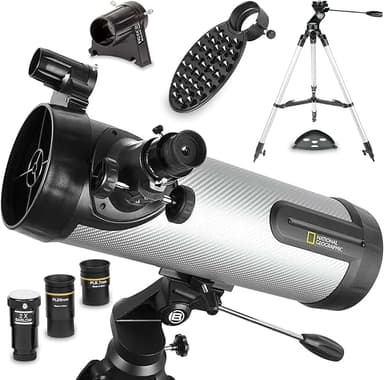
Celestron Travel Scope 80 vs National Geographic NT114CF
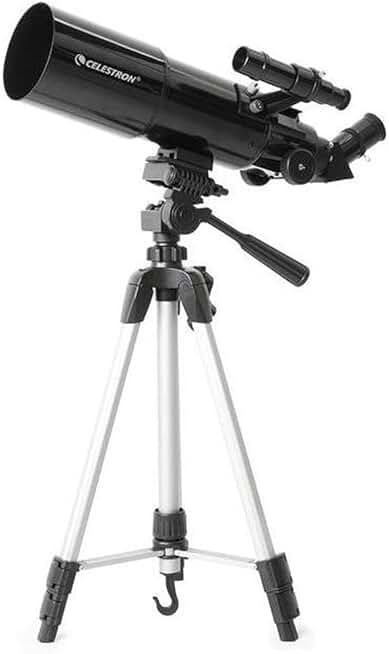
VS
Performance Profile
Score Comparison
Celestron Travel ScopeNational Geographic NT114CF
Overall
69
70
Value
88
87
Beginner
46
41
Astrophoto
37
39
Portability
64
61
Planetary
36
40
Deep Sky
42
45
Our Take
Both telescopes score identically at 70/100 overall, but they serve different priorities. The Celestron Travel Scope 80 excels as a grab-and-go instrument, weighing just 2kg and earning a 64/100 portability score, while the National Geographic NT114CF delivers significantly more light-gathering power with its 114mm aperture, translating to meaningful advantages in deep sky observation. The single most important differentiator is aperture size.
The National Geographic's larger mirror collects 28 percent more light, which directly improves deep sky performance by 3 points and planetary viewing by 4 points. However, this advantage comes at a cost: the National Geographic weighs 2.4 times more and scores 3 points lower for portability. The Celestron Travel Scope 80 suits travelers and astronomers who prioritize mobility and ease of setup; its superior beginner score of 47/100 reflects simpler operation.
The National Geographic NT114CF is better for backyard observers willing to handle additional weight in exchange for brighter, more detailed views of distant galaxies and nebulae. Choose the Celestron for genuine travel astronomy. Choose the National Geographic if you want better deep sky performance from a stationary location and can manage a heavier telescope.
Key Differences
Why choose Celestron Travel Scope
- $19 cheaper
- 2.8kg lighter and more portable
- 1,749 Amazon reviews vs 39
Why choose National Geographic NT114CF
- 114mm aperture gathers more light than 80mm
Specifications
SpecCelestron Travel ScopeNational Geographic NT114CF
Optical Specs
Aperture80mm114mm
Focal Length400mm500mm
Focal Ratiof/5f/4.4
Optical DesignAchromat Refractor-
CoatingCoated-
Mount & Tracking
Mount TypeAlt-AzAlt-Az
GoToNoNo
TrackingNoNo
Physical
Weight2.04kg4.87kg
Included Accessories
FinderFinder scopeRed dot finder
Pricing & Reviews
Price$130$148
Amazon Rating4.2 stars4.0 stars
Reviews1,74939
Try these telescopes in our Eyepiece Calculator:
Related Comparisons
Celestron Travel Scope 80 vs Explore Scientific FirstLight 80mm Refractor Telescope with Twilight Nano MountExplore Scientific 62 Degree 26mm Waterproof Telescope Eyepiece vs National Geographic NT114CFCelestron Travel Scope 80 vs Explore Scientific FirstLight AR90mm White Tube Refractor Telescope with Alt/AZCelestron Travel Scope 80 vs Telescopes for Adults AstronomyCelestron StarSense Explorer LT 114AZ vs National Geographic NT114CFCelestron Travel Scope 80 vs Telescope for Adults & Kids, 70mm Aperture Refractor (15X-150X) Portable Travel