Comparison
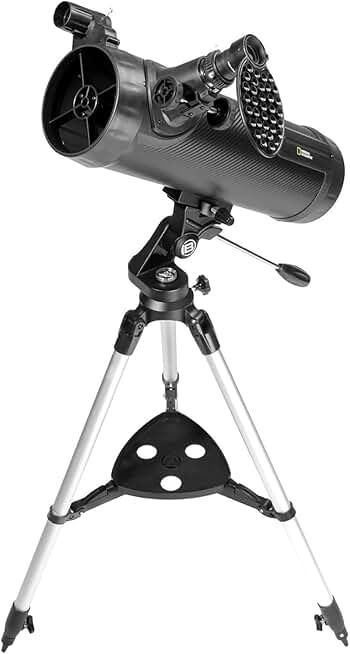
Celestron Travel Scope 80 vs National Geographic Explorer 114mm
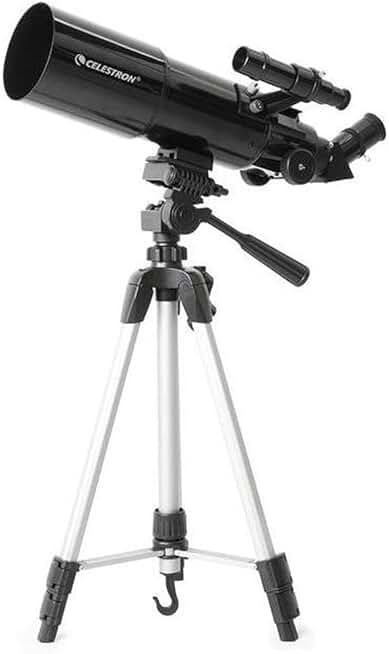
VS
Performance Profile
Score Comparison
Celestron Travel ScopeNational Geographic Explorer
Overall
69
73
Value
88
94
Beginner
46
48
Astrophoto
37
39
Portability
64
63
Planetary
36
42
Deep Sky
42
45
Our Take
The National Geographic Explorer 114mm edges ahead with a modest overall score advantage of 73 to 70, making it the slight winner for most amateur astronomers. The single most important differentiator is aperture; the Explorer's 114mm opening gathers significantly more light than the Travel Scope's 80mm, translating to superior performance on planets, deep sky objects, and astrophotography. This light-gathering advantage manifests across nearly every scoring category, with the Explorer scoring higher in planetary observation, deep sky viewing, and astrophotography despite being cheaper.
The Celestron Travel Scope 80 deserves consideration only if portability is your primary concern; its lighter weight and compact refractor design make it genuinely easier to transport. However, the weight difference of 0.23kg is negligible, so this advantage is marginal. The National Geographic Explorer 114mm should appeal to anyone seeking observational performance without breaking the bank; buy it unless you absolutely prioritize lightweight travel.
The Celestron Travel Scope 80 suits only those who demand minimal weight and accept significantly reduced optical capability as the trade-off. For most amateur astronomers, the National Geographic Explorer 114mm represents better value and capability at nearly identical pricing.
Key Differences
Why choose Celestron Travel Scope
- 1,749 Amazon reviews vs 128
Why choose National Geographic Explorer
- 114mm aperture gathers more light than 80mm
- $30 cheaper
Specifications
SpecCelestron Travel ScopeNational Geographic Explorer
Optical Specs
Aperture80mm114mm
Focal Length400mm500mm
Focal Ratiof/5f/4.4
Optical DesignAchromat RefractorNewtonian
CoatingCoated-
Mount & Tracking
Mount TypeAlt-AzAlt-Az
GoToNoNo
TrackingNoNo
Physical
Weight2.04kg2.27kg
Included Accessories
FinderFinder scopeRed dot finder
Pricing & Reviews
Price$130$100
Amazon Rating4.2 stars4.1 stars
Reviews1,749128
Try these telescopes in our Eyepiece Calculator:
Related Comparisons
Celestron Travel Scope 80 vs Explore Scientific FirstLight 80mm Refractor Telescope with Twilight Nano MountExplore Scientific FirstLight AR90mm White Tube Refractor Telescope with Alt/AZ vs National Geographic Explorer 114mmCelestron Travel Scope 80 vs Explore Scientific FirstLight AR90mm White Tube Refractor Telescope with Alt/AZCelestron Travel Scope 80 vs Telescopes for Adults AstronomyNational Geographic Explorer 114mm vs Telescope, Telescope for Adults High Powered ProfessionalCelestron Travel Scope 80 vs Telescope for Adults & Kids, 70mm Aperture Refractor (15X-150X) Portable Travel