Comparison
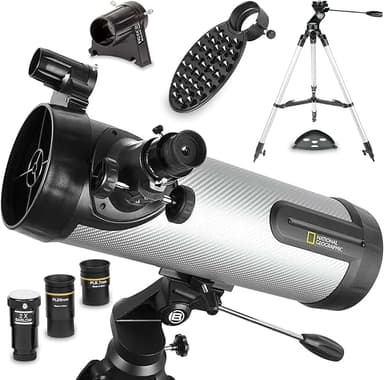
Celestron StarSense Explorer LT 80AZ vs National Geographic NT114CF
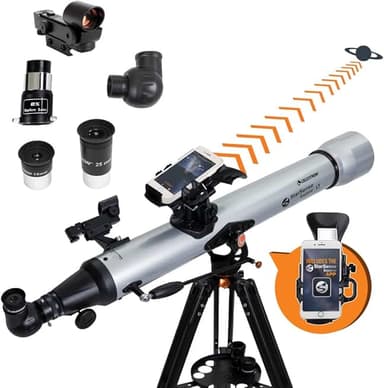
VS
Performance Profile
Score Comparison
Celestron StarSense ExplorerNational Geographic NT114CF
Overall
67
70
Value
79
87
Beginner
44
41
Astrophoto
37
39
Portability
62
61
Planetary
43
40
Deep Sky
37
45
Our Take
The National Geographic NT114CF emerges as the better choice for most amateur astronomers, despite the Celestron StarSense Explorer LT 80AZ's technological appeal. The single most important differentiator is aperture; the NT114CF's 114mm objective gathers significantly more light than the 80mm refractor, yielding brighter, more detailed views of deep sky objects and faint celestial targets. The National Geographic scores higher in overall performance and deep sky observation, where aperture matters most.
Its fast f/4.4 focal ratio also makes it more forgiving for casual observers and provides wider fields of view. The Celestron's primary advantage lies in its motorized StarSense tracking system and longer focal length, which benefits planetary observation, yet both telescopes score similarly in this category. The Celestron is slightly lighter and more portable, a modest edge for backpackers.
The National Geographic NT114CF should appeal to observers prioritizing light-gathering power and deep sky exploration on a tight budget; the Celestron StarSense Explorer LT 80AZ suits those valuing automation and planning frequent travel. For the vast majority of amateur astronomers, the NT114CF's superior aperture and lower price make it the smarter investment, offering more visible universe per dollar spent.
Key Differences
Why choose Celestron StarSense Explorer
- Has tracking capability for astrophotography
- 566 Amazon reviews vs 39
Why choose National Geographic NT114CF
- 114mm aperture gathers more light than 80mm
- $82 cheaper
- Faster f/4.4 for wider field of view
Specifications
SpecCelestron StarSense ExplorerNational Geographic NT114CF
Optical Specs
Aperture80mm114mm
Focal Length900mm500mm
Focal Ratiof/11.3f/4.4
Optical DesignAchromat Refractor-
Mount & Tracking
Mount TypeAlt-AzAlt-Az
GoToNoNo
TrackingYesNo
Physical
Weight4.17kg4.87kg
Included Accessories
FinderStarPointerRed dot finder
Pricing & Reviews
Price$230$148
Amazon Rating4.3 stars4.0 stars
Reviews56639
Try these telescopes in our Eyepiece Calculator:
Related Comparisons
Explore Scientific 62 Degree 26mm Waterproof Telescope Eyepiece vs National Geographic NT114CFCelestron StarSense Explorer LT 114AZ vs National Geographic NT114CFCelestron StarSense Explorer LT 80AZ vs SVBONY SV503 80mm ED RefractorCelestron 1.25 Inch X-Cel LX 3X Barlow Lens, Black vs Celestron StarSense Explorer LT 80AZCelestron StarSense Explorer LT 80AZ vs Telescope for Adults High PoweredNational Geographic NT114CF vs Telescope for Adults High Powered