Comparison
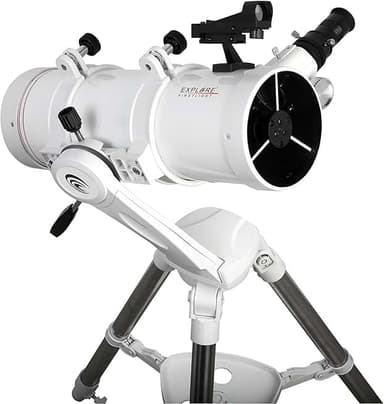
Celestron PowerSeeker 127EQ vs Explore Scientific FirstLight 114mm
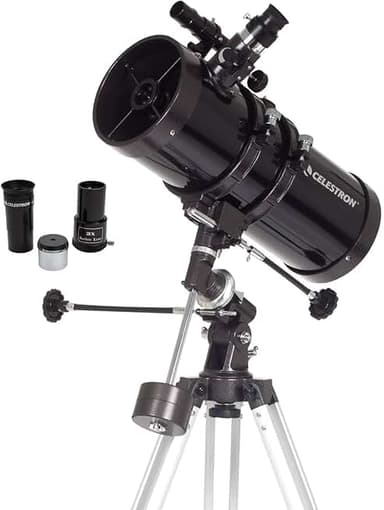
VS
Performance Profile
Score Comparison
Celestron PowerSeeker 127EQExplore Scientific FirstLight
Overall
73
63
Value
85
62
Beginner
45
37
Astrophoto
48
38
Portability
60
57
Planetary
48
39
Deep Sky
41
44
Our Take
The Celestron PowerSeeker 127EQ is the clear winner here, though the choice depends somewhat on your priorities. The single most important differentiator is aperture; the PowerSeeker's 127mm mirror versus the FirstLight's 114mm gives meaningfully more light gathering and resolving power for observing faint objects and planetary detail. The PowerSeeker dominates across nearly every metric: it scores 10 points higher overall, 8 points higher for beginners, and substantially better for planetary and astrophotography work. Its longer focal length and superior f/7.9 ratio make it more versatile.
The equatorial mount, while requiring more setup skill, rewards users with better tracking for extended viewing sessions and astrophotography. At $183.53, the PowerSeeker costs $116 less while delivering superior performance. The FirstLight's only real advantages are a slightly faster focal ratio for wide-field observation and marginally better deep-sky scores, though both scopes are modest performers here. Its lighter weight and alt-az mount offer faster setup, but this doesn't offset the optical disadvantage.
Buy the Celestron PowerSeeker 127EQ if you want genuine optical capability and don't mind learning an equatorial mount. Choose the Explore Scientific FirstLight 114mm only if quick setup and wide-field viewing are your absolute priorities and budget flexibility is critical.
Key Differences
Why choose Celestron PowerSeeker 127EQ
- 127mm aperture gathers more light than 114mm
- $116 cheaper
- 1.8kg lighter and more portable
- Higher Value score (85 vs 62)
- 10,316 Amazon reviews vs 4
Why choose Explore Scientific FirstLight
- Faster f/4.3 for wider field of view
Specifications
SpecCelestron PowerSeeker 127EQExplore Scientific FirstLight
Optical Specs
Aperture127mm114mm
Focal Length1000mm500mm
Focal Ratiof/7.9f/4.3
Optical DesignNewtonian-
Mount & Tracking
Mount TypeEquatorialAlt-Az
GoToNoNo
TrackingNoNo
Physical
Weight5.9kg7.71kg
Included Accessories
FinderFinder scopeRed dot finder
Pricing & Reviews
Price$184$300
Amazon Rating4.1 stars3.9 stars
Reviews10,3164
Try these telescopes in our Eyepiece Calculator:
Related Comparisons
Celestron PowerSeeker 127EQ vs Telescope for Adults High PoweredExplore Scientific AR 80/900 vs Explore Scientific FirstLight 114mmCelestron AstroMaster 102AZ vs Celestron PowerSeeker 127EQExplore Scientific FirstLight 114mm vs HSL 150EQ Astronomical Reflector Telescope for Adults high PoweredCelestron AstroMaster 114EQ vs Explore Scientific FirstLight 114mmCelestron PowerSeeker 127EQ vs Telescope, Telescope for Adults High Powered Professional