Comparison
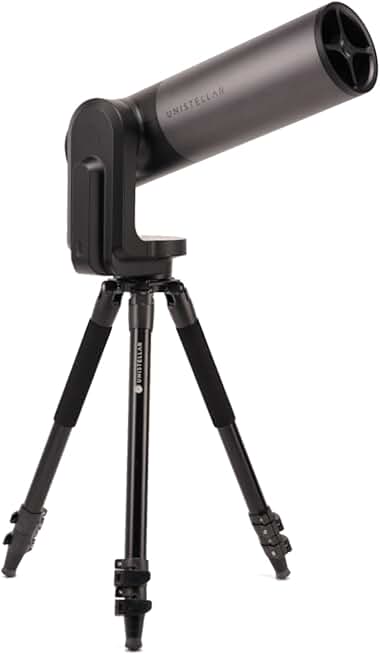
Celestron NexStar Evolution 9.25 vs Unistellar eVscope Equinox
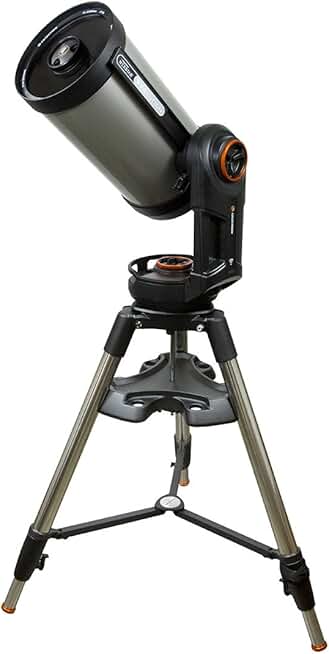
VS
Performance Profile
Score Comparison
Celestron NexStar EvolutionUnistellar eVscope Equinox
Overall
74
85
Value
50
55
Beginner
38
64
Astrophoto
50
74
Portability
35
50
Planetary
74
50
Deep Sky
61
71
Our Take
It depends on your priorities. The Celestron NexStar Evolution 9.25 excels at planetary observation with its large 235mm aperture and superior optical performance, while the Unistellar eVscope Equinox leverages smart technology and computational imaging to deliver better overall versatility for a broader range of observing targets. The single most important differentiator is aperture versus technology. The Celestron's 9.25-inch mirror collects significantly more light, making it unmatched for crisp planetary views and detailed lunar features.
The Unistellar's innovative digital enhancement system compensates for its smaller 114mm aperture by processing live images in real time, dramatically improving faint deep-sky object visibility and making it far more forgiving for less experienced observers. Buy the Celestron if you're committed to planetary astronomy and can handle its 21.77kg weight and steep learning curve. Buy the Unistellar if you want ease of use, lighter portability, and enhanced views across diverse targets without extensive technical knowledge.
Choose the Unistellar eVscope Equinox for its superior beginner score, smart features, and overall versatility; the NexStar Evolution 9.25 only if dedicated planetary observation justifies accepting a heavier scope and accepting lower scores across most other categories.
Key Differences
Why choose Celestron NexStar Evolution
- 235mm aperture gathers more light than 114mm
- Higher Planetary score (74 vs 50)
Why choose Unistellar eVscope Equinox
- Smart telescope with app control and live stacking
- Faster f/4 for wider field of view
- Higher Overall score (85 vs 74)
- Higher Beginner score (64 vs 38)
- Higher Astrophoto score (74 vs 50)
- Higher Portability score (50 vs 35)
Specifications
SpecCelestron NexStar EvolutionUnistellar eVscope Equinox
Optical Specs
Aperture235mm114mm
Focal Length2350mm450mm
Focal Ratiof/10f/4
Optical DesignSchmidt-Cassegrain-
CoatingMulti-Coated-
Mount & Tracking
Mount TypeAlt-AzAlt-Az
GoToYesYes
TrackingYesYes
Physical
Weight21.77kg-
Included Accessories
Finder-Finder scope
Pricing & Reviews
Price$1009$926
Amazon Rating-3.6 stars
Reviews-27
Try these telescopes in our Eyepiece Calculator:
Related Comparisons
Celestron NexStar 6SE vs Celestron NexStar Evolution 9.25Celestron NexStar Evolution 9.25 vs Sky-Watcher SkyMax 127Celestron NexStar 6SE vs Unistellar eVscope EquinoxCelestron NexStar Evolution 9.25 vs Sky-Watcher Quattro 150P Imaging NewtonianCelestron NexStar 8 SE Schmidt-Cassegrain Computerized Telescope with 1.25" Eyep vs Celestron NexStar Evolution 9.25Celestron NexStar 5SE vs Celestron NexStar Evolution 9.25