Comparison
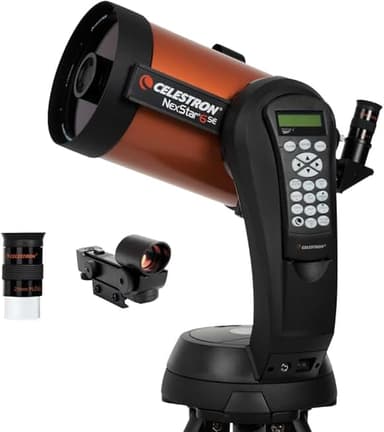
Celestron NexStar 5SE vs Celestron NexStar 6SE
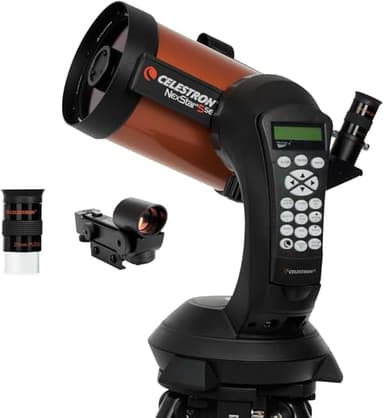
VS
Performance Profile
Score Comparison
Celestron NexStar 5SECelestron NexStar 6SE
Overall
78
78
Value
48
46
Beginner
53
53
Astrophoto
66
60
Portability
57
55
Planetary
56
66
Deep Sky
55
57
Our Take
It depends on your observing priorities. Both telescopes score identically overall (78/100) and share the same optical design, but they're optimized differently. The single most important differentiator is aperture. The NexStar 6SE's 152mm mirror versus the 5SE's 127mm means 44 percent more light-gathering power, translating to superior planetary detail and deeper sky penetration.
However, this advantage comes with a trade-off; the 6SE weighs 1.5kg more and suffers slightly reduced portability. The 5SE compensates with better astrophotography scores (66 versus 60), likely due to its more manageable size for imaging rigs and mounts. The NexStar 5SE suits observers prioritizing ease of transport and astrophotography work, while the NexStar 6SE better serves those seeking maximum planetary resolution and faint galaxy detection despite modest portability sacrifices.
At just $170 more, the 6SE represents better long-term value if you can handle the extra weight; conversely, the 5SE makes sense if you're frequently traveling to observing sites or operating from confined spaces. Choose the NexStar 6SE for most amateur astronomers seeking serious observing capability.
Key Differences
Why choose Celestron NexStar 5SE
- $170 cheaper
- 1.5kg lighter and more portable
Why choose Celestron NexStar 6SE
- 152.4mm aperture gathers more light than 127mm
- 2,493 Amazon reviews vs 526
Specifications
SpecCelestron NexStar 5SECelestron NexStar 6SE
Optical Specs
Aperture127mm152.4mm
Focal Length250mm1500mm
Focal Ratiof/10f/10
Optical DesignSchmidt-CassegrainSchmidt-Cassegrain
Mount & Tracking
Mount TypeEquatorialFork
GoToYesYes
TrackingYesYes
Physical
Weight7.98kg9.53kg
Included Accessories
FinderStarPointerStarPointer
Pricing & Reviews
Price$1029$1199
Amazon Rating4.4 stars4.4 stars
Reviews5262,493
Try these telescopes in our Eyepiece Calculator:
Related Comparisons
Celestron NexStar 6SE vs Celestron NexStar Evolution 9.25Celestron NexStar 5SE vs Celestron NexStar Evolution 6Celestron NexStar 5SE vs Celestron StarSense Explorer DX 5" SCTAskar SQA55 Telescope 55mm Aperture F4.8 Quintuplet Air-Spaced SD Glass Petzval vs Celestron NexStar 6SECelestron NexStar 5SE vs Celestron NexStar Evolution 9.25Celestron NexStar 6SE vs Sky-Watcher Quattro 150P Imaging Newtonian