Comparison
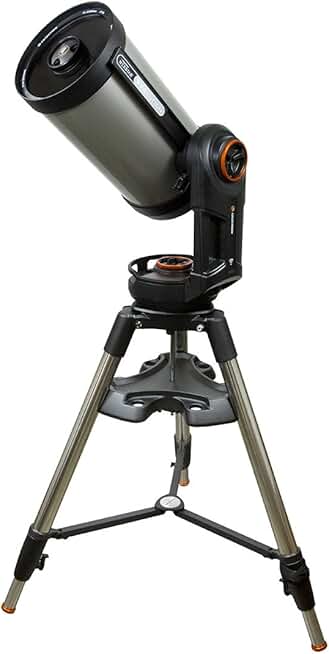
Celestron NexStar 4SE vs Celestron NexStar Evolution 9.25
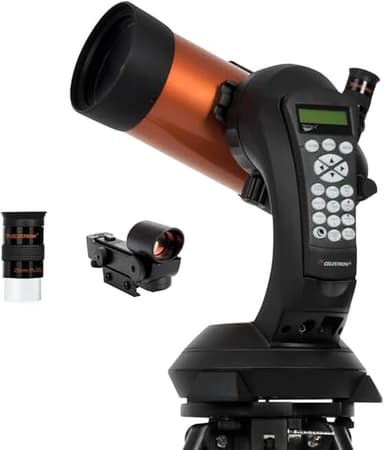
VS
Performance Profile
Score Comparison
Celestron NexStar 4SECelestron NexStar Evolution
Overall
73
74
Value
55
50
Beginner
54
38
Astrophoto
50
50
Portability
54
35
Planetary
57
74
Deep Sky
47
61
Our Take
It depends on your observing priorities and willingness to sacrifice portability for aperture. The single most important differentiator is aperture; the NexStar Evolution 9.25's 235mm objective is more than double the 4SE's 101.6mm, delivering dramatically superior light-gathering power and resolution. This advantage shows most clearly in planetary observation, where the Evolution scores 74 versus the 4SE's 57, and in deep sky performance, where it scores 61 versus 47.
However, the 4SE's compact design and 10.39kg weight make it genuinely portable for regular observing trips, whereas the Evolution's 21.77kg demands serious commitment to transport. The 4SE also scores better for beginners at 54 versus 38, since its lighter mount is easier to manage while learning. Buy the Celestron NexStar 4SE if you prioritize portability, ease of use, and occasional backyard observations.
Buy the Celestron NexStar Evolution 9.25 if you have stable observing locations, serious interest in planetary work, and can handle a heavier instrument. For most dedicated amateur astronomers willing to establish a semi-permanent setup, the Evolution's superior optics and aperture justify the modest price premium and accommodation challenges.
Key Differences
Why choose Celestron NexStar 4SE
- $260 cheaper
- 11.4kg lighter and more portable
- Higher Beginner score (54 vs 38)
- Higher Portability score (54 vs 35)
Why choose Celestron NexStar Evolution
- 235mm aperture gathers more light than 101.6mm
- Faster f/10 for wider field of view
- Higher Planetary score (74 vs 57)
- Higher Deep Sky score (61 vs 47)
Specifications
SpecCelestron NexStar 4SECelestron NexStar Evolution
Optical Specs
Aperture101.6mm235mm
Focal Length325mm2350mm
Focal Ratiof/13f/10
Optical DesignMaksutov-CassegrainSchmidt-Cassegrain
Coating-Multi-Coated
Mount & Tracking
Mount TypeForkAlt-Az
GoToYesYes
TrackingYesYes
Physical
Weight10.39kg21.77kg
Included Accessories
FinderStarPointer-
Pricing & Reviews
Price$749$1009
Amazon Rating4.2 stars-
Reviews756-
Try these telescopes in our Eyepiece Calculator:
Related Comparisons
Celestron NexStar 6SE vs Celestron NexStar Evolution 9.25Celestron NexStar Evolution 9.25 vs Sky-Watcher SkyMax 127Celestron NexStar 4SE vs SVBONY SV555 54mm Petzval APOCelestron NexStar Evolution 9.25 vs Sky-Watcher Quattro 150P Imaging NewtonianCelestron NexStar 8 SE Schmidt-Cassegrain Computerized Telescope with 1.25" Eyep vs Celestron NexStar Evolution 9.25Celestron NexStar 5SE vs Celestron NexStar Evolution 9.25