Comparison
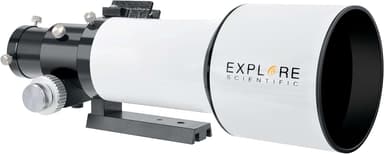
Celestron NexStar 130SLT vs Explore Scientific ED80 Essential Series Air-Spaced Apochromatic 80mm Triplet Re
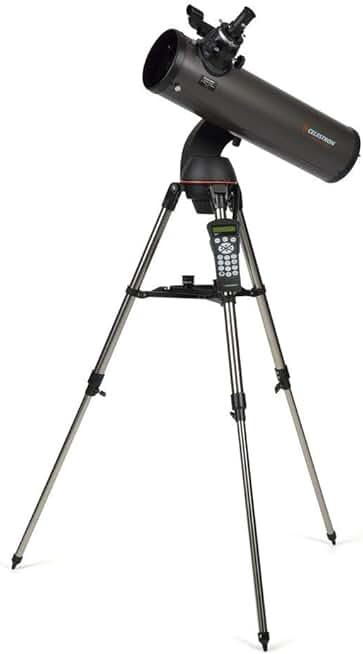
VS
Performance Profile
Score Comparison
Celestron NexStar 130SLTExplore Scientific ED80
Overall
85
63
Value
67
46
Beginner
61
32
Astrophoto
62
48
Portability
61
63
Planetary
56
48
Deep Sky
65
38
Our Take
The Celestron NexStar 130SLT is the clear winner for most amateur astronomers, scoring 85 versus 63 overall. The single most important differentiator is aperture; the 130mm Newtonian collects 64 percent more light than the 80mm refractor, translating to dramatically superior deep sky and planetary views. The NexStar's GoTo mount and motorized tracking eliminate manual searching, a significant convenience factor that justifies its lower price of $535.49.
The NexStar 130SLT suits observers prioritizing observation quality and ease of use, particularly those interested in deep sky objects and planetary detail. The Explore Scientific ED80 Essential Series appeals exclusively to travelers and those with severe space constraints, as its 2.70kg weight and compact refractor design sacrifice observational capability for portability. Despite the ED80's superior optical correction and lack of collimation requirements, these advantages cannot overcome the aperture deficit for serious viewing.
Choose the Celestron NexStar 130SLT unless portability is genuinely your primary constraint. The ED80 occupies an awkward middle ground where it excels at neither observation nor true travel convenience, making it difficult to recommend at its $599.99 price point.
Key Differences
Why choose Celestron NexStar 130SLT
- 130mm aperture gathers more light than 80mm
- $65 cheaper
- Includes GoTo mount for automatic object finding
- Has tracking capability for astrophotography
- Faster f/5 for wider field of view
- Higher Overall score (85 vs 63)
Why choose Explore Scientific ED80
- 2.5kg lighter and more portable
Specifications
SpecCelestron NexStar 130SLTExplore Scientific ED80
Optical Specs
Aperture130mm80mm
Focal Length650mm480mm
Focal Ratiof/5f/6
Optical DesignNewtonianApochromat Refractor
Mount & Tracking
Mount TypeAlt-AzEquatorial
GoToYesNo
TrackingYesNo
Physical
Weight5.17kg2.7kg
Included Accessories
FinderStarPointerFinder scope
Pricing & Reviews
Price$535$600
Amazon Rating4.3 stars4.2 stars
Reviews2,17814
Try these telescopes in our Eyepiece Calculator:
Related Comparisons
Explore Scientific ED80 Essential Series Air-Spaced Apochromatic 80mm Triplet Re vs SVBONY SV555 54mm Petzval APOAskar SQA55 Telescope 55mm Aperture F4.8 Quintuplet Air-Spaced SD Glass Petzval vs Explore Scientific ED80 Essential Series Air-Spaced Apochromatic 80mm Triplet ReAskar 71F Flat-Field Telescope, 71mm Aperture F6.9 ED Glass Refractor OTA vs Celestron NexStar 130SLTCelestron NexStar 130SLT vs Telescope, 150EQ Newtonian Reflector Telescope for Adults Astronomy BeginnersExplore Scientific ED80 Essential Series Air-Spaced Apochromatic 80mm Triplet Re vs Sky-Watcher Quattro 150P Imaging NewtonianExplore Scientific ED80 Essential Series Air-Spaced Apochromatic 80mm Triplet Re vs SVBONY SV550 80mm APO Triplet