Comparison
Celestron NexStar 130SLT vs Celestron StarSense Explorer 150AZ Dob
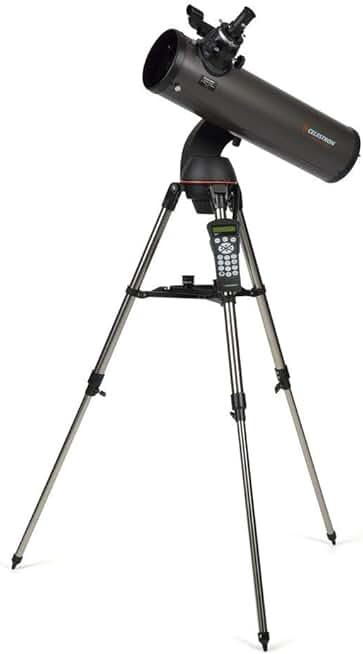
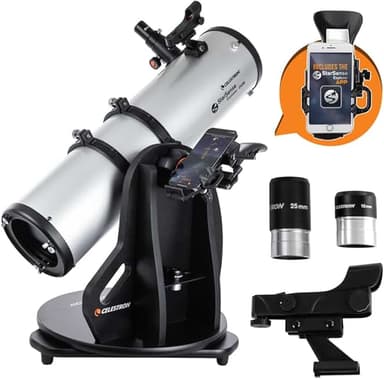
VS
Performance Profile
Score Comparison
Celestron NexStar 130SLTCelestron StarSense Explorer
Overall
85
72
Value
67
57
Beginner
61
39
Astrophoto
62
54
Portability
61
52
Planetary
56
53
Deep Sky
65
56
Our Take
The Celestron NexStar 130SLT wins for most amateur astronomers, though the choice depends on your priorities and experience level. The single most important differentiator is the GoTo mount; the NexStar's computerized tracking transforms observing into genuine astronomy rather than a hunt-and-point exercise, especially valuable when learning the night sky. Beginners and those seeking convenience should choose the Celestron NexStar 130SLT, which scores significantly higher for ease of use and delivers superior performance across nearly every category despite its smaller aperture.
Experienced observers prioritizing pure aperture and willing to manually locate objects should consider the Celestron StarSense Explorer 150AZ Dob, though its heavier weight and steeper learning curve make it less forgiving. For most amateur astronomers, the NexStar's automated pointing, better overall scores, lighter weight, and lower beginner barrier far outweigh the Dobsonian's modest aperture advantage. The price difference is negligible, making this primarily a question of automation versus raw light-gathering.
The NexStar 130SLT emerges as the more practical, versatile choice that will keep you observing rather than searching.
Key Differences
Why choose Celestron NexStar 130SLT
- 6.2kg lighter and more portable
- Includes GoTo mount for automatic object finding
- Higher Overall score (85 vs 72)
- Higher Beginner score (61 vs 39)
- 2,178 Amazon reviews vs 283
Why choose Celestron StarSense Explorer
- 150mm aperture gathers more light than 130mm
Specifications
SpecCelestron NexStar 130SLTCelestron StarSense Explorer
Optical Specs
Aperture130mm150mm
Focal Length650mm750mm
Focal Ratiof/5f/5
Optical DesignNewtonianDobsonian
Mount & Tracking
Mount TypeAlt-AzDobsonian
GoToYesNo
TrackingYesYes
Physical
Weight5.17kg11.34kg
Included Accessories
FinderStarPointerStarPointer
Pricing & Reviews
Price$535$549
Amazon Rating4.3 stars4.5 stars
Reviews2,178283
Try these telescopes in our Eyepiece Calculator:
Related Comparisons
Askar 71F Flat-Field Telescope, 71mm Aperture F6.9 ED Glass Refractor OTA vs Celestron NexStar 130SLTCelestron StarSense Explorer 150AZ Dob vs Sky Watcher Sky-Watcher Classic 150 Dobsonian 6-inch Telescope – Solid-Tube – SiCelestron NexStar 130SLT vs Telescope, 150EQ Newtonian Reflector Telescope for Adults Astronomy BeginnersCelestron NexStar 130SLT vs SVBONY SV550 80mm APO TripletCelestron NexStar 130SLT vs Telescope 130EQ Newtonian Reflector Telescopes for AdultsCelestron NexStar 130SLT vs Sky-Watcher Virtuoso GTi 130P