Comparison
Celestron NexStar 127SLT vs Sky-Watcher SkyMax 127
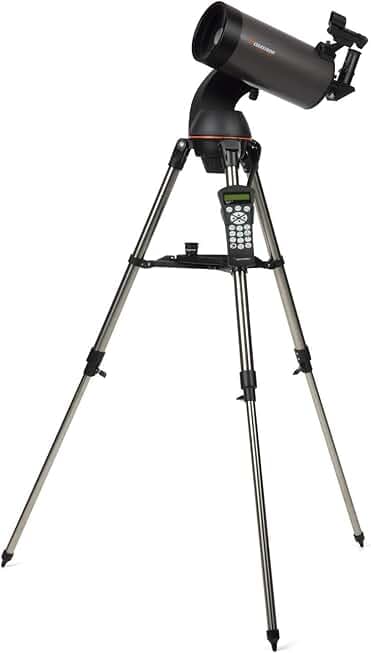
VS
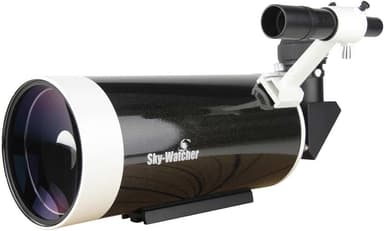
Performance Profile
Score Comparison
Celestron NexStar 127SLTSky-Watcher SkyMax 127
Overall
79
58
Value
62
50
Beginner
55
35
Astrophoto
54
23
Portability
57
60
Planetary
66
56
Deep Sky
51
33
Our Take
The Celestron NexStar 127SLT is the clear winner for most amateur astronomers. Both telescopes share identical optics, 127mm aperture and f/11.8 focal length, but the Celestron's GoTo computerized mount and tracking system justify the modest $57 price premium. The NexStar's automated pointing transforms observing sessions, particularly valuable for beginners struggling with manual navigation. Its superior scores across planetary observation (66 vs 56), deep sky viewing (51 vs 33), and astrophotography (54 vs 23) reflect the practical advantages of motorized tracking and precise object location.
Yes, the SkyMax is lighter by 2.7kg, but portability gains are overshadowed by functionality losses. The SkyMax's only advantage is lighter transport, but most observers prioritize time spent observing over carrying weight. The NexStar's beginner score of 55 versus the SkyMax's 35 tells the real story; GoTo mounts keep novices engaged rather than frustrated. Buy the Celestron NexStar 127SLT unless you prioritize hiking to remote dark sites and value minimal weight above observing capability.
Choose the SkyMax only if you're a backpacking astronomer with a manual equatorial mount already at home. The NexStar delivers superior all-around performance at a lower price, making it the smarter investment.
Key Differences
Why choose Celestron NexStar 127SLT
- Includes GoTo mount for automatic object finding
- Has tracking capability for astrophotography
- Higher Overall score (79 vs 58)
- Higher Value score (62 vs 50)
- Higher Beginner score (55 vs 35)
- Higher Astrophoto score (54 vs 23)
Why choose Sky-Watcher SkyMax 127
- 2.7kg lighter and more portable
Specifications
SpecCelestron NexStar 127SLTSky-Watcher SkyMax 127
Optical Specs
Aperture127mm127mm
Focal Length1500mm1500mm
Focal Ratiof/11.8f/11.8
Optical DesignMaksutov-CassegrainMaksutov-Cassegrain
Mount & Tracking
Mount TypeFork-
GoToYesNo
TrackingYesNo
Physical
Weight8.21kg5.54kg
Included Accessories
FinderStarPointerFinder scope
Pricing & Reviews
Price$650$610
Amazon Rating4.2 stars4.1 stars
Reviews1,18551
Try these telescopes in our Eyepiece Calculator:
Related Comparisons
Celestron NexStar Evolution 9.25 vs Sky-Watcher SkyMax 127Celestron NexStar 127SLT vs Sky-Watcher Quattro 150P Imaging NewtonianCelestron NexStar 127SLT vs Sky-Watcher SkyMax 102Celestron NexStar 127SLT vs Celestron StarSense Explorer DX 5" SCTCelestron NexStar 6SE vs Sky-Watcher SkyMax 127Celestron NexStar 127SLT vs Celestron NexStar Evolution 9.25