Comparison
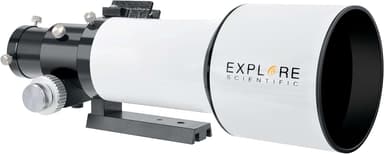
Celestron NexStar 127SLT vs Explore Scientific ED80 Essential Series Air-Spaced Apochromatic 80mm Triplet Re
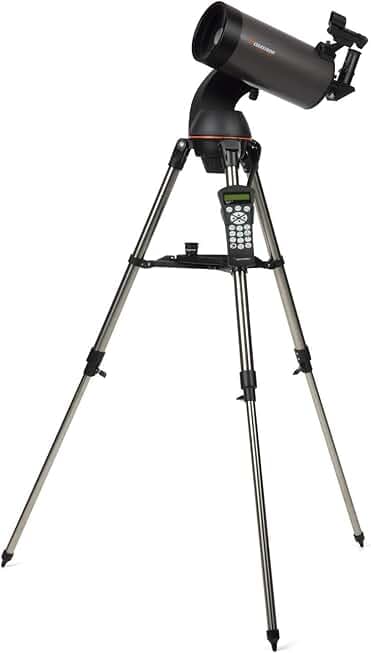
VS
Performance Profile
Score Comparison
Celestron NexStar 127SLTExplore Scientific ED80
Overall
79
63
Value
62
46
Beginner
55
32
Astrophoto
54
48
Portability
57
63
Planetary
66
48
Deep Sky
51
38
Our Take
The Celestron NexStar 127SLT emerges as the winner for most amateur astronomers. Its larger 127mm aperture and computerized GoTo mount provide significantly better light-gathering power and ease of use, reflected in its substantially higher overall score of 80 versus 63. The single most important differentiator is the GoTo tracking system; the Celestron finds and tracks objects automatically, while the Explore Scientific ED80 requires manual location and tracking on its equatorial mount.
The Celestron NexStar 127SLT suits observers who want convenience and versatility across multiple observing interests without constant manual adjustments. The Explore Scientific ED80 Essential Series is better for experienced observers prioritizing visual clarity on bright targets and maximum portability for travel or hiking. Given the modest $47 price difference, the Celestron's superior aperture, automated capabilities, and broader performance across planetary and deep-sky observing make it the stronger recommendation for typical amateur astronomers.
Choose the Explore Scientific only if you specifically need an extremely lightweight, portable refractor for travel or have strong preferences for refractor optical qualities, but expect a steeper learning curve on the equatorial mount.
Key Differences
Why choose Celestron NexStar 127SLT
- 127mm aperture gathers more light than 80mm
- Includes GoTo mount for automatic object finding
- Has tracking capability for astrophotography
- Higher Overall score (79 vs 63)
- Higher Value score (62 vs 46)
- Higher Beginner score (55 vs 32)
Why choose Explore Scientific ED80
- 5.5kg lighter and more portable
- Faster f/6 for wider field of view
Specifications
SpecCelestron NexStar 127SLTExplore Scientific ED80
Optical Specs
Aperture127mm80mm
Focal Length1500mm480mm
Focal Ratiof/11.8f/6
Optical DesignMaksutov-CassegrainApochromat Refractor
Mount & Tracking
Mount TypeForkEquatorial
GoToYesNo
TrackingYesNo
Physical
Weight8.21kg2.7kg
Included Accessories
FinderStarPointerFinder scope
Pricing & Reviews
Price$650$600
Amazon Rating4.2 stars4.2 stars
Reviews1,18514
Try these telescopes in our Eyepiece Calculator:
Related Comparisons
Celestron NexStar 127SLT vs Sky-Watcher Quattro 150P Imaging NewtonianExplore Scientific ED80 Essential Series Air-Spaced Apochromatic 80mm Triplet Re vs SVBONY SV555 54mm Petzval APOAskar SQA55 Telescope 55mm Aperture F4.8 Quintuplet Air-Spaced SD Glass Petzval vs Explore Scientific ED80 Essential Series Air-Spaced Apochromatic 80mm Triplet ReCelestron NexStar 127SLT vs Sky-Watcher SkyMax 102Celestron NexStar 127SLT vs Celestron StarSense Explorer DX 5" SCTCelestron NexStar 127SLT vs Celestron NexStar Evolution 9.25