Comparison
Celestron NexStar 127SLT vs Celestron StarSense Explorer DX 102AZ
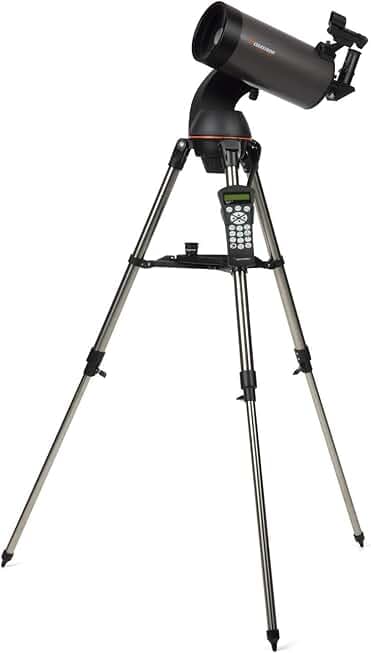
VS

Performance Profile
Score Comparison
Celestron NexStar 127SLTCelestron StarSense Explorer
Overall
79
69
Value
62
60
Beginner
55
41
Astrophoto
54
49
Portability
57
59
Planetary
66
44
Deep Sky
51
49
Our Take
The NexStar 127SLT emerges as the stronger choice for serious amateur astronomers willing to invest the extra $122. Its larger 127mm aperture and longer focal length deliver noticeably superior planetary views and astrophotography potential, with scores that substantially outpace the StarSense Explorer across nearly every category. The Maksutov-Cassegrain design provides sharper contrast and better handling of atmospheric turbulence, critical advantages for planetary observation.
The single most important differentiator is aperture; the NexStar's 25mm advantage translates to significantly more light gathering and resolving power, making fainter objects visible and planetary details crisper. The StarSense Explorer's refractor design excels in specific niches but cannot compensate for this fundamental optical disadvantage. The NexStar 127SLT suits observers prioritizing planetary views, lunar detail, and eventual astrophotography, plus those valuing GoTo convenience.
The StarSense Explorer makes sense primarily for casual stargazers or travelers where weight and portability matter more than optical performance. For most amateur astronomers with realistic expectations about learning curves and observing goals, the NexStar 127SLT represents better long-term value. Its superior optical performance justifies the modest price premium and significantly higher overall score.
Key Differences
Why choose Celestron NexStar 127SLT
- 127mm aperture gathers more light than 102mm
- Includes GoTo mount for automatic object finding
- Higher Beginner score (55 vs 41)
- Higher Planetary score (66 vs 44)
Why choose Celestron StarSense Explorer
- $220 cheaper
- 1.8kg lighter and more portable
- Faster f/6.5 for wider field of view
Specifications
SpecCelestron NexStar 127SLTCelestron StarSense Explorer
Optical Specs
Aperture127mm102mm
Focal Length1500mm660mm
Focal Ratiof/11.8f/6.5
Optical DesignMaksutov-CassegrainAchromat Refractor
Mount & Tracking
Mount TypeForkAlt-Az
GoToYesNo
TrackingYesYes
Physical
Weight8.21kg6.44kg
Included Accessories
FinderStarPointerStarPointer
Pricing & Reviews
Price$650$430
Amazon Rating4.2 stars4.1 stars
Reviews1,1851,550
Try these telescopes in our Eyepiece Calculator:
Related Comparisons
Celestron NexStar 127SLT vs Sky-Watcher Quattro 150P Imaging NewtonianCelestron StarSense Explorer DX 102AZ vs SVBONY SV550 80mm APO TripletCelestron NexStar 127SLT vs Sky-Watcher SkyMax 102Celestron NexStar 127SLT vs Celestron StarSense Explorer DX 5" SCTCelestron NexStar 127SLT vs Celestron NexStar Evolution 9.25Celestron NexStar 127SLT vs SVBONY SV550 80mm APO Triplet