Comparison
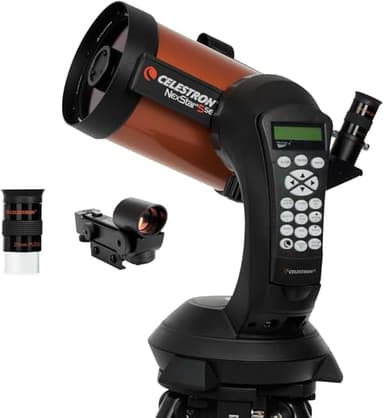
Celestron NexStar 127SLT vs Celestron NexStar 5SE
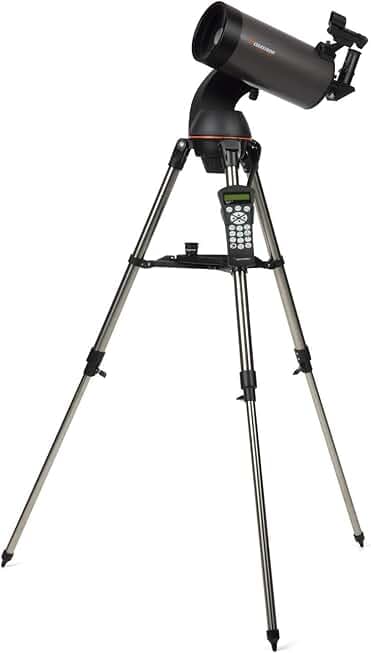
VS
Performance Profile
Score Comparison
Celestron NexStar 127SLTCelestron NexStar 5SE
Overall
80
78
Value
67
48
Beginner
55
53
Astrophoto
54
66
Portability
57
57
Planetary
66
56
Deep Sky
51
55
Our Take
The Celestron NexStar 127SLT wins this matchup despite its lower price tag. Both telescopes share identical 127mm apertures and comparable weights, but they diverge significantly in optical design and application. The 127SLT's Maksutov-Cassegrain design with f/11.8 focal ratio delivers superior planetary observation, scoring 66 versus the 5SE's 56, making it the clear choice for lunar and planetary detail.
The 5SE counters with better astrophotography credentials thanks to its f/10 ratio and equatorial mount, more suitable for long exposures. However, the 127SLT's lower price, easier setup for beginners, and stronger planetary performance give it the edge for most amateur astronomers. The single most important differentiator is optical design; the Maksutov favors high-magnification planetary work while the Schmidt-Cassegrain supports wider-field astrophotography.
Purchase the Celestron NexStar 127SLT if you prioritize planetary observation and budget consciousness. Choose the Celestron NexStar 5SE if deep-sky astrophotography and capturing nebulae or star clusters are your primary goals. For general amateur astronomy without specific specialization, the 127SLT represents better overall value.
Key Differences
Why choose Celestron NexStar 127SLT
- $477 cheaper
- Higher Value score (67 vs 48)
- 1,182 Amazon reviews vs 526
Why choose Celestron NexStar 5SE
- Faster f/10 for wider field of view
- Higher Astrophoto score (66 vs 54)
Specifications
SpecCelestron NexStar 127SLTCelestron NexStar 5SE
Optical Specs
Aperture127mm127mm
Focal Length1500mm250mm
Focal Ratiof/11.8f/10
Optical DesignMaksutov-CassegrainSchmidt-Cassegrain
Mount & Tracking
Mount TypeForkEquatorial
GoToYesYes
TrackingYesYes
Physical
Weight8.21kg7.98kg
Included Accessories
FinderStarPointerStarPointer
Pricing & Reviews
Price$552$1029
Amazon Rating4.2 stars4.4 stars
Reviews1,182526
Try these telescopes in our Eyepiece Calculator:
Related Comparisons
Celestron NexStar 127SLT vs Sky-Watcher Quattro 150P Imaging NewtonianCelestron NexStar 5SE vs Celestron NexStar Evolution 6Celestron NexStar 5SE vs Celestron StarSense Explorer DX 5" SCTCelestron NexStar 127SLT vs Sky-Watcher SkyMax 102Celestron NexStar 127SLT vs Celestron StarSense Explorer DX 5" SCTCelestron NexStar 5SE vs Celestron NexStar Evolution 9.25