Comparison
Celestron EdgeHD 800 OTA vs Celestron NexStar 6SE
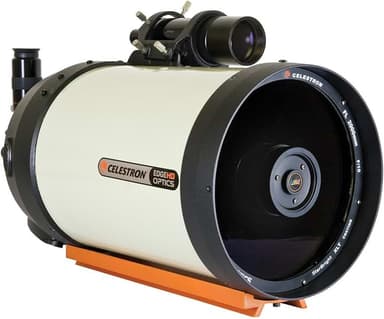
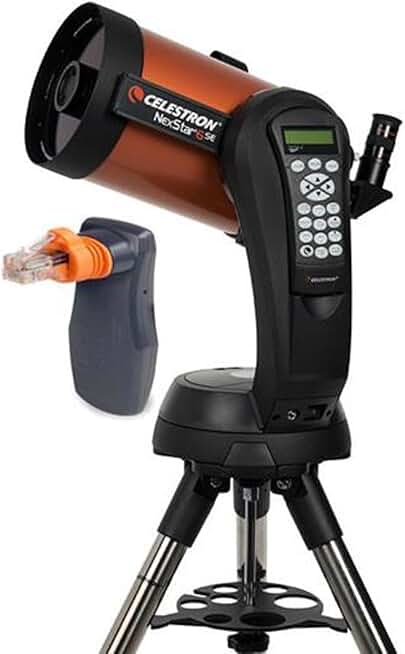
VS
Performance Profile
Score Comparison
Celestron EdgeHD 800Celestron NexStar 6SE
Overall
81
72
Value
41
44
Beginner
49
43
Astrophoto
66
58
Portability
64
40
Planetary
69
63
Deep Sky
59
55
Our Take
The Celestron EdgeHD 800 OTA is the clear winner for most amateur astronomers, scoring 81 overall versus the NexStar 6SE's 73. The single most important differentiator is aperture; the EdgeHD 800's 203mm objective versus the 6SE's 150mm translates to significantly superior light-gathering, contrast, and detail across all observing domains. This larger aperture gives you roughly 82 percent more light collection, a meaningful advantage for planetary viewing, deep sky observation, and astrophotography.
The NexStar 6SE remains a viable choice if portability is your primary constraint. Its fork mount design is lighter and more compact for transport, though paradoxically heavier at 19kg due to its integrated base. The EdgeHD 800 OTA is a tube-only design requiring separate mounting, but serious observers typically invest in quality equatorial mounts anyway.
The Celestron EdgeHD 800 OTA suits observers prioritizing optical performance and who can accommodate a dedicated mount and setup location. The Celestron NexStar 6SE appeals to those needing self-contained goto functionality with genuine portability concerns. For most amateur astronomers with reasonable space and budget, the EdgeHD 800's superior optical capability and scoring across all performance categories make it the better investment despite higher cost.
Key Differences
Why choose Celestron EdgeHD 800
- 203.2mm aperture gathers more light than 150mm
- 17.9kg lighter and more portable
- Higher Portability score (64 vs 40)
- Higher Amazon rating (4.8 vs 4.2 stars)
Why choose Celestron NexStar 6SE
- $399 cheaper
Specifications
SpecCelestron EdgeHD 800Celestron NexStar 6SE
Optical Specs
Aperture203.2mm150mm
Focal Length2032mm1500mm
Focal Ratiof/10f/10
Optical DesignSchmidt-CassegrainSchmidt-Cassegrain
Mount & Tracking
Mount TypeEquatorialFork
GoToYesYes
TrackingYesYes
Physical
Weight1.2kg19.05kg
Included Accessories
FinderFinder scopeStarPointer
Pricing & Reviews
Price$1699$1300
Amazon Rating4.8 stars4.2 stars
Reviews1323
Try these telescopes in our Eyepiece Calculator:
Related Comparisons
Celestron NexStar 6SE vs Unistellar eVscope EquinoxCelestron NexStar 6SE vs Celestron NexStar Evolution 8Celestron EdgeHD 800 OTA vs Explore Scientific ED127 FCD100Celestron NexStar 6SE vs Sky-Watcher SkyMax 127Celestron 12046 Computerized Advanced VX 9.25" Schmidt-Cassegrain Telescope vs Celestron EdgeHD 800 OTACelestron Advanced VX 7" Mak vs Celestron EdgeHD 800 OTA