Comparison
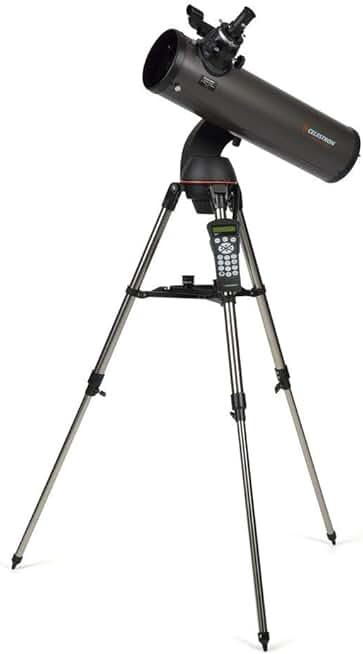
Celestron 114LCM vs Celestron NexStar 130SLT
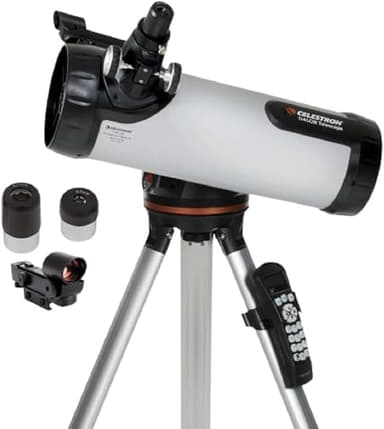
VS
Performance Profile
Score Comparison
Celestron 114LCMCelestron NexStar 130SLT
Overall
82
85
Value
76
67
Beginner
62
61
Astrophoto
53
62
Portability
60
61
Planetary
56
56
Deep Sky
56
65
Our Take
The Celestron NexStar 130SLT emerges as the better choice for most amateur astronomers, though the decision ultimately depends on your observing priorities. The single most important differentiator is aperture and light-gathering power. The 130SLT's 130mm aperture provides roughly 30 percent more light collection than the 114LCM's 114mm, translating directly to brighter, clearer views of faint deep-sky objects.
This advantage shows clearly in the deep-sky score; the 130SLT scores 65 versus the 114LCM's 56. The 130SLT's faster f/5 focal ratio also contributes to superior wide-field performance, particularly beneficial for nebula and galaxy observation. Both scopes offer identical beginner scores and similar planetary performance, but the 130SLT's three-point overall advantage reflects its superior versatility.
The 114LCM suits budget-conscious observers prioritizing planetary work and those needing the fastest possible setup times, though its performance gains are marginal. The Celestron NexStar 130SLT is the better investment for observers seeking consistent performance across celestial targets, particularly deep-sky work, despite its higher $182.70 price premium.
Key Differences
Why choose Celestron 114LCM
- $136 cheaper
Why choose Celestron NexStar 130SLT
- 130mm aperture gathers more light than 114mm
- Faster f/5 for wider field of view
- 2,178 Amazon reviews vs 980
Specifications
SpecCelestron 114LCMCelestron NexStar 130SLT
Optical Specs
Aperture114mm130mm
Focal Length1000mm650mm
Focal Ratiof/8.8f/5
Optical DesignNewtonianNewtonian
Mount & Tracking
Mount TypeAlt-AzAlt-Az
GoToYesYes
TrackingYesYes
Physical
Weight5.99kg5.17kg
Included Accessories
FinderStarPointerStarPointer
Pricing & Reviews
Price$400$535
Amazon Rating4.2 stars4.3 stars
Reviews9802,178
Try these telescopes in our Eyepiece Calculator:
Related Comparisons
Celestron 114LCM vs HSL 150EQ Astronomical Reflector Telescope for Adults high PoweredAskar 71F Flat-Field Telescope, 71mm Aperture F6.9 ED Glass Refractor OTA vs Celestron NexStar 130SLTCelestron 114LCM vs Explore Scientific FirstLight 114mmCelestron NexStar 130SLT vs Telescope, 150EQ Newtonian Reflector Telescope for Adults Astronomy BeginnersCelestron NexStar 130SLT vs SVBONY SV550 80mm APO TripletCelestron 114LCM vs Explore Scientific AR 80/900