Comparison
Unistellar Odyssey vs Vaonis Vespera II
Performance Profile
Score Comparison
Our Take
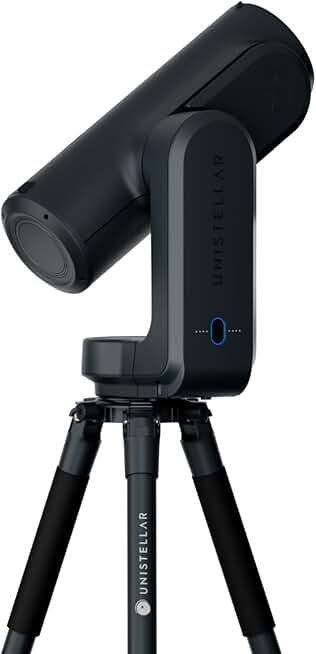
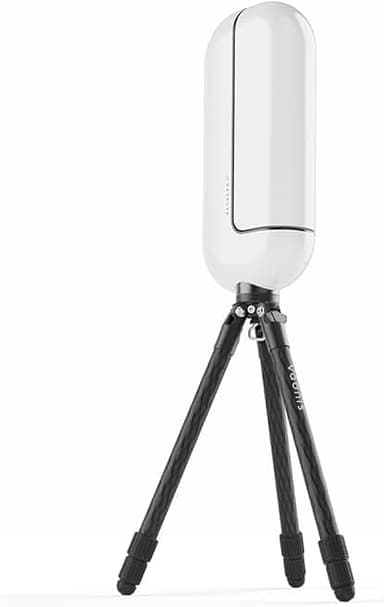
The Unistellar Odyssey emerges as the better choice for most amateur astronomers, though the Vaonis Vespera II excels in specific scenarios. The critical differentiator is aperture: the Odyssey's 114mm versus Vespera II's 50mm gives substantially superior light-gathering power, translating to brighter deep sky objects and greater detail on planets. This advantage compounds the Odyssey's higher overall score across all observing categories except portability.
The Odyssey sacrifices mobility for performance, weighing 6.5kg compared to Vespera II's featherlight 2kg. For backyard observers or those with vehicle access to dark sites, the Odyssey's larger aperture justifies the modest size penalty and $709 price premium. The Vespera II appeals to urban astronomers prioritizing extreme portability and ease of transport; its compact design and lighter weight suit balcony observation or frequent travel, though expect dimmer views of faint objects.
Purchase the Unistellar Odyssey if you value observing depth and planetary detail from relatively stable locations. Choose the Vaonis Vespera II if you need a telescope you'll actually carry regularly and observe from light-polluted areas where portability outweighs aperture. The Odyssey represents better long-term value for committed amateur astronomers.
Key Differences
Why choose Unistellar Odyssey
- 114mm aperture gathers more light than 50mm
- Faster f/3.9 for wider field of view
- Higher Deep Sky score (73 vs 61)
- Higher Amazon rating (4.4 vs 4.0 stars)
- 48 Amazon reviews vs 1
Why choose Vaonis Vespera II
- $1316 cheaper
- 4.5kg lighter and more portable