Comparison
Telescope for Kids & Adults, 70mm Aperture 360mm Refractor (15X-150X) Telescope vs Telescope, Telescope for Adults & Kids
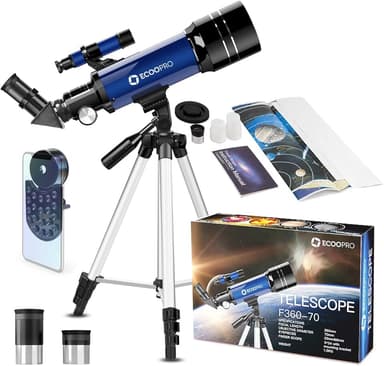
71Very Good
Amazon's Choice
VS
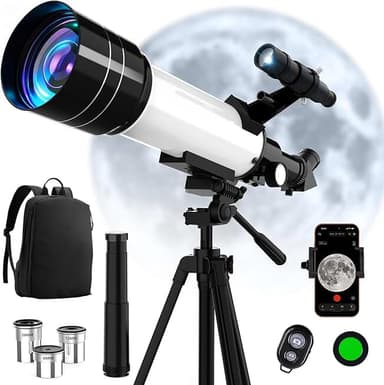
Performance Profile
Score Comparison
Telescope for KidsTelescope, Telescope for
Overall
71
69
Value
95
95
Beginner
48
46
Astrophoto
37
34
Portability
64
64
Planetary
40
38
Deep Sky
40
37
Our Take
The 70mm Aperture 360mm Refractor edges ahead with a marginal 2-point overall advantage, though neither telescope excels at any particular task. The single most important differentiator is focal length. The 360mm design delivers noticeably shorter focal ratios and theoretically brighter views at modest magnifications, while the 400mm variant stretches the light path, demanding slightly higher magnification to achieve useful viewing. For the modest aperture these telescopes offer, this functional difference matters more than the 200-gram weight penalty.
The 70mm Aperture 360mm Refractor suits beginners willing to accept fundamental optical limitations in exchange for marginally better performance across all observation types and slightly superior portability. The alternative Telescope for Adults & Kids appeals only to budget-conscious buyers comfortable sacrificing performance for the lowest price point. Both scopes occupy the budget entry level where optical compromises are inevitable. Neither performs adequately for serious planetary observation, astrophotography, or deep-sky work.
Choose the 360mm model if optics matter slightly more than cost; otherwise save your money and invest in a quality 100mm reflector when budget allows. These telescopes serve primarily as introductory tools for casual backyard use.
Key Differences
Why choose Telescope for Kids
- 2,122 Amazon reviews vs 49
Why choose Telescope, Telescope for
- $8 cheaper
Specifications
SpecTelescope for KidsTelescope, Telescope for
Optical Specs
Aperture70mm70mm
Focal Length360mm400mm
Focal Ratiof/5.14f/5.71
CoatingFully Multi-CoatedFully Multi-Coated
Mount & Tracking
Mount TypeAlt-AzAlt-Az
GoToNoNo
TrackingNoNo
Physical
Weight1.4kg1.6kg
Included Accessories
Finder5x24 optical finder5x24 optical finder
Pricing & Reviews
Price$58$50
Amazon Rating4.2 stars4.2 stars
Reviews2,12249
Try these telescopes in our Eyepiece Calculator:
Related Comparisons
Celestron Travel Scope 70 Portable Refractor Telescope – 70mm Aperture vs Telescope for Kids & Adults, 70mm Aperture 360mm Refractor (15X-150X) TelescopeTelescope for Adults & Kids, 70mm Aperture 300mm Refractor Telescope vs Telescope, Telescope for Adults & KidsTelescope, Telescope for Adults & Kids vs Telescopes for Adults AstronomyTelescope for Kids & Adults, 70mm Aperture 360mm Refractor (15X-150X) Telescope vs Telescopes, Telescope for Kids and Adults BeginnersCelestron 1.25 Inch X-Cel LX 3X Barlow Lens, Black vs Telescope for Kids & Adults, 70mm Aperture 360mm Refractor (15X-150X) TelescopeTelescope, Telescope for Adults & Kids vs ToyerBee Telescope for Adults & Kids