Comparison
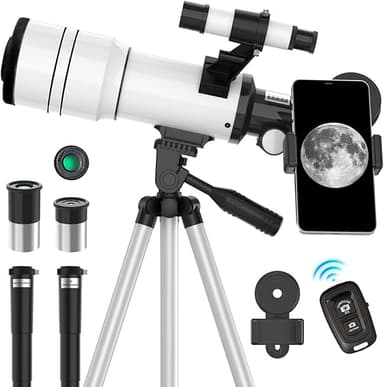
National Geographic Sky View 70mm Refractor Telescope with Panhandle Mount for A vs ToyerBee Telescope for Adults & Kids
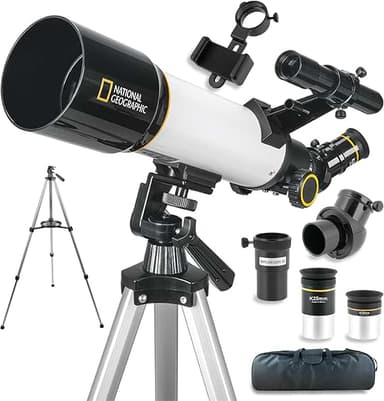
VS
Performance Profile
Score Comparison
National Geographic SkyToyerBee Telescope for
Overall
66
60
Value
95
95
Beginner
41
45
Astrophoto
34
19
Portability
64
64
Planetary
33
30
Deep Sky
37
26
Our Take
The National Geographic Sky View 70mm Refractor Telescope with Panhandle Mount for A is the clear winner here. Both telescopes share identical apertures, weights, and portability scores, making them physically comparable; however, the National Geographic model's superior overall score of 66 versus 60 reflects meaningful optical and mechanical advantages across nearly every performance category. The National Geographic scores notably higher in astrophotography (33 vs 19), planetary observation (32 vs 30), and deep sky viewing (36 vs 26), differences that compound when you're actually observing.
The single most important differentiator is optical quality and mount stability. The National Geographic's f/5.7 focal ratio and presumably better optics translate to brighter, clearer views across all observing disciplines. While the ToyerBee marginally edges the National Geographic in beginner-friendliness (45 vs 41), this advantage is negligible and doesn't offset its performance gaps.
Buy the National Geographic Sky View if you want reliable views of planets, deep sky objects, and want flexibility for future astrophotography attempts. Purchase the ToyerBee only if budget is absolutely critical and you need the absolute cheapest entry point. Choose the National Geographic Sky View 70mm Refractor Telescope with Panhandle Mount for A; it delivers better value and superior performance for ten dollars more.
Key Differences
Why choose National Geographic Sky
- $7 cheaper
- Higher Astrophoto score (34 vs 19)
- Higher Deep Sky score (37 vs 26)
Why choose ToyerBee Telescope for
- Higher Amazon rating (4.2 vs 3.4 stars)
- 3,733 Amazon reviews vs 24
Specifications
SpecNational Geographic SkyToyerBee Telescope for
Optical Specs
Aperture70mm70mm
Focal Length400mm-
Focal Ratiof/5.7-
Mount & Tracking
Mount TypeAlt-AzAlt-Az
GoToNoNo
TrackingNoNo
Physical
Weight1.72kg1.72kg
Included Accessories
FinderFinder scopeFinder scope
Pricing & Reviews
Price$50$57
Amazon Rating3.4 stars4.2 stars
Reviews243,733
Try these telescopes in our Eyepiece Calculator:
Related Comparisons
Telescope for Adults & Kids, 80mm Aperture 500mm (20X-150X) Professional Refract vs ToyerBee Telescope for Adults & KidsTelescopes for Adults Astronomy vs ToyerBee Telescope for Adults & KidsCelestron Travel Scope 70DX vs ToyerBee Telescope for Adults & KidsNational Geographic Sky View 70mm Refractor Telescope with Panhandle Mount for A vs Telescope for Adults & Kids, 70mm Aperture 300mm Refractor TelescopeEducational Insights GeoSafari Starview Telescope vs National Geographic Sky View 70mm Refractor Telescope with Panhandle Mount for ACelestron 1.25 Inch X-Cel LX 3X Barlow Lens, Black vs ToyerBee Telescope for Adults & Kids