Comparison
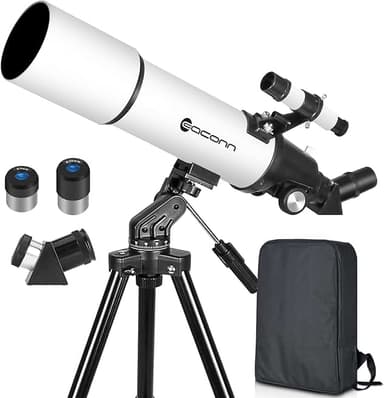
National Geographic Sky View 70mm Refractor Telescope with Panhandle Mount for A vs Telescopes for Adults Astronomy
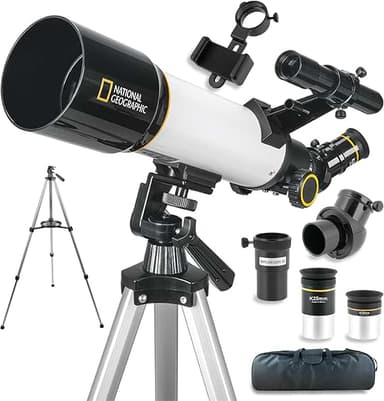
VS
Performance Profile
Score Comparison
National Geographic SkyTelescopes for Adults
Overall
66
69
Value
95
93
Beginner
41
47
Astrophoto
34
32
Portability
64
63
Planetary
33
44
Deep Sky
37
37
Our Take
The Telescopes for Adults Astronomy edges out the National Geographic Sky View 70mm as the better overall choice, though the decision depends on your priorities and budget. The single most important differentiator is aperture and focal length; the 80mm refractor gathers significantly more light and offers superior planetary viewing with its longer 600mm focal length, reflected in its 12-point advantage in planetary score. Both telescopes are reasonably portable and equally limited for astrophotography.
The National Geographic Sky View 70mm suits budget-conscious beginners wanting a lightweight, affordable entry point at just under $50, though its modest scores across all observing categories indicate limited performance. The Telescopes for Adults Astronomy is better suited for those willing to spend $90 and accept an extra 1.3kg of weight in exchange for noticeably better planetary observation and slightly improved deep sky performance. For most amateur astronomers progressing beyond casual stargazing, the additional optical quality and light-gathering power of the Telescopes for Adults Astronomy justify the higher price.
However, if portability is paramount or your budget is fixed at $50, the National Geographic remains a reasonable starter telescope that won't disappoint for basic lunar and bright object observation.
Key Differences
Why choose National Geographic Sky
- $50 cheaper
- 1.3kg lighter and more portable
- Faster f/5.7 for wider field of view
Why choose Telescopes for Adults
- 80mm aperture gathers more light than 70mm
- Higher Planetary score (44 vs 33)
- Higher Amazon rating (4.4 vs 3.4 stars)
- 2,037 Amazon reviews vs 24
Specifications
SpecNational Geographic SkyTelescopes for Adults
Optical Specs
Aperture70mm80mm
Focal Length400mm600mm
Focal Ratiof/5.7f/7.5
Coating-Fully Multi-Coated
Mount & Tracking
Mount TypeAlt-AzAlt-Az
GoToNoNo
TrackingNoNo
Physical
Weight1.72kg3.06kg
Included Accessories
FinderFinder scope5x24 optical finder
Pricing & Reviews
Price$50$100
Amazon Rating3.4 stars4.4 stars
Reviews242,037
Try these telescopes in our Eyepiece Calculator:
Related Comparisons
Telescopes for Adults Astronomy vs ToyerBee Telescope for Adults & KidsNational Geographic Sky View 70mm Refractor Telescope with Panhandle Mount for A vs Telescope for Adults & Kids, 70mm Aperture 300mm Refractor TelescopeEducational Insights GeoSafari Starview Telescope vs National Geographic Sky View 70mm Refractor Telescope with Panhandle Mount for ATelescope 80mm Aperture 600mm - Astronomical Portable Refracting Telescope Fully vs Telescopes for Adults AstronomyCelestron Travel Scope 80 vs Telescopes for Adults AstronomyTelescopes for Adults Astronomy vs Telescopes, Telescope for Kids and Adults Beginners