Comparison
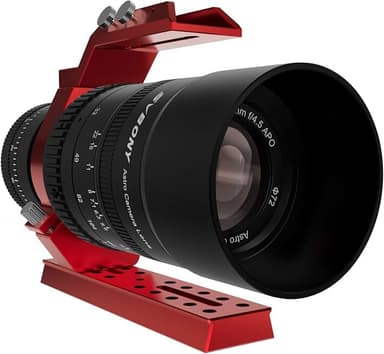
Celestron StarSense Explorer DX 102AZ vs SVBONY SV555 54mm Petzval APO

VS
Performance Profile
Score Comparison
Celestron StarSense ExplorerSVBONY SV555 54mm
Overall
69
57
Value
60
44
Beginner
41
32
Astrophoto
49
35
Portability
59
62
Planetary
44
42
Deep Sky
49
37
Our Take
The Celestron StarSense Explorer DX 102AZ is the clear winner for most amateur astronomers. Its nearly double aperture delivers substantially better light gathering, making it superior for deep sky observation and planetary detail. The integrated StarSense tracking system adds genuine convenience for locating objects, and the overall score of 69 reflects its more rounded capabilities across all observing categories. The single most important differentiator is aperture; the Celestron's 102mm versus the SVBONY's 54mm represents a profound difference in observing experience.
Larger aperture means brighter views, better resolution, and access to fainter objects. This advantage compounds across every observing discipline except pure portability. The Celestron StarSense Explorer DX 102AZ suits observers prioritizing serious visual astronomy and those wanting automated targeting assistance. The SVBONY SV555 54mm Petzval APO appeals to hikers and backpackers who demand maximum portability without sacrificing optical quality, accepting significant observational limitations.
Choose the Celestron unless your primary constraint is carrying weight over distance. For stationary backyard observing, its aperture advantage and tracking features justify the premium price and slightly higher weight. The SVBONY occupies an uncommon niche; it's genuinely portable but too limited optically to compete as a primary telescope.
Key Differences
Why choose Celestron StarSense Explorer
- 102mm aperture gathers more light than 54mm
- $203 cheaper
- Has tracking capability for astrophotography
- Higher Overall score (69 vs 57)
- Higher Value score (60 vs 44)
- Higher Astrophoto score (49 vs 35)
Why choose SVBONY SV555 54mm
- 2.6kg lighter and more portable
- Faster f/4.5 for wider field of view
Specifications
SpecCelestron StarSense ExplorerSVBONY SV555 54mm
Optical Specs
Aperture102mm54mm
Focal Length660mm250mm
Focal Ratiof/6.5f/4.5
Optical DesignAchromat RefractorApochromat Refractor
Mount & Tracking
Mount TypeAlt-Az-
GoToNoNo
TrackingYesNo
Physical
Weight6.44kg3.8kg
Included Accessories
FinderStarPointerFinder scope
Pricing & Reviews
Price$430$633
Amazon Rating4.1 stars4.3 stars
Reviews1,55021
Try these telescopes in our Eyepiece Calculator:
Related Comparisons
Celestron StarSense Explorer DX 102AZ vs SVBONY SV550 80mm APO TripletExplore Scientific ED80 Essential Series Air-Spaced Apochromatic 80mm Triplet Re vs SVBONY SV555 54mm Petzval APOCelestron NexStar 4SE vs SVBONY SV555 54mm Petzval APOSky-Watcher Quattro 150P Imaging Newtonian vs SVBONY SV555 54mm Petzval APOSVBONY SV550 80mm APO Triplet vs SVBONY SV555 54mm Petzval APOExplore Scientific AR 80/900 vs SVBONY SV555 54mm Petzval APO