Comparison
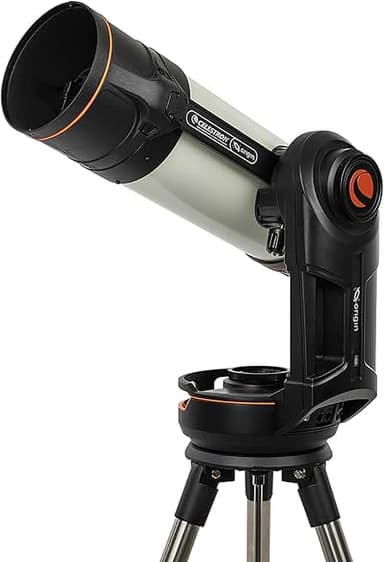
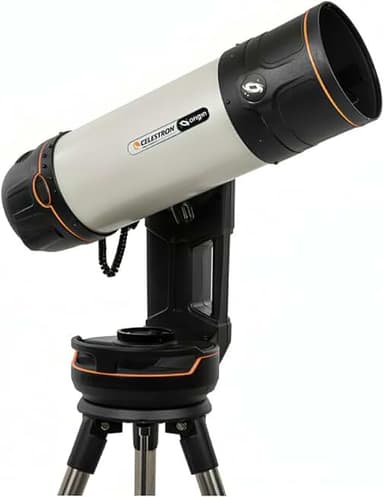
Celestron Origin vs Celestron Origin Mark II
Performance Profile
Score Comparison
Our Take
The Celestron Origin Mark II emerges as the better telescope for most amateur astronomers, though the original Origin remains compelling for specific use cases. The equatorial mount represents the single most important differentiator between these nearly identical optical systems. The Origin Mark II's equatorial design fundamentally changes its capabilities for astrophotography, delivering a decisive 14-point advantage in that discipline. This matters because equatorial mounts enable proper field rotation compensation and celestial tracking alignment, essential for long-exposure imaging.
Conversely, the Origin's alt-azimuth mount excels at casual viewing but proves cumbersome for serious imaging work. Both telescopes share identical optics and specifications; the 152mm aperture and f/2.2 focal ratio provide impressive light-gathering across all observation types. The negligible weight difference and comparable portability scores mean mount choice should dominate your decision. The original Celestron Origin suits observers prioritizing grab-and-go naked-eye astronomy and casual planetary observation without astrophotography ambitions.
The Celestron Origin Mark II belongs with anyone serious about capturing deep-sky images or planning to develop astrophotography skills eventually. Choose the Origin Mark II unless you explicitly plan to observe only visually without ever pursuing imaging. The $497 premium pays dividends in versatility and long-term value.
Key Differences
Why choose Celestron Origin
- 30 Amazon reviews vs 2
Why choose Celestron Origin Mark
- Higher Astrophoto score (90 vs 76)
- Higher Amazon rating (5.0 vs 4.3 stars)