Comparison
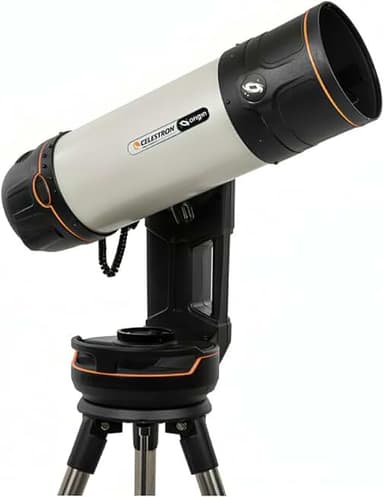
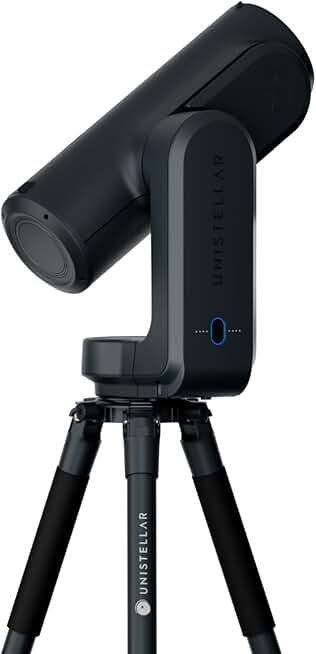
Celestron Origin Mark II vs Unistellar Odyssey
Performance Profile
Score Comparison
Our Take
The Unistellar Odyssey emerges as the better choice for most amateur astronomers, despite the Celestron Origin Mark II's higher overall score. The single most important differentiator is aperture versus practicality; while the Origin Mark II's 152mm mirror delivers superior light-gathering for faint objects, its 18.87kg weight and poor portability score make it a stationary observatory scope requiring a dedicated setup location. The Origin Mark II excels in astrophotography and justifies its $4299 investment only if you're committed to imaging from a fixed location and have experience with camera systems.
Its f/2.2 focal ratio and Schmidt-Cassegrain design are genuinely impressive for deep sky imaging. The Unistellar Odyssey, at half the price, offers nearly identical overall performance while weighing just 6.50kg and scoring 19 points higher in portability. Its beginner score of 63 versus the Origin's 55 reflects easier handling and setup.
The 114mm aperture proves adequate for lunar, planetary, and deep sky observation despite scoring lower in specialized categories. Choose the Celestron Origin Mark II only if you have a dedicated observing site and serious astrophotography ambitions. Everyone else should buy the Unistellar Odyssey for its unbeatable combination of performance, affordability, and genuine usability for regular backyard observing.
Key Differences
Why choose Celestron Origin Mark
- 152mm aperture gathers more light than 114mm
- Faster f/2.2 for wider field of view
- Higher Astrophoto score (90 vs 76)
- Higher Amazon rating (5.0 vs 4.4 stars)
Why choose Unistellar Odyssey
- $1700 cheaper
- 12.4kg lighter and more portable
- Higher Portability score (69 vs 50)
- 48 Amazon reviews vs 2