Comparison
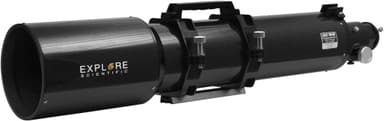
Celestron NexStar Evolution 8 vs Explore Scientific ED127 FCD100
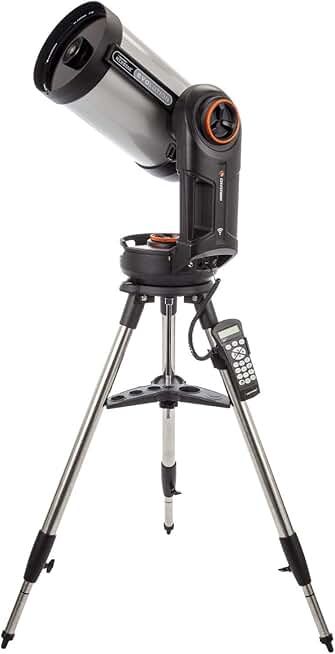
VS
Performance Profile
Score Comparison
Celestron NexStar EvolutionExplore Scientific ED127
Overall
72
56
Value
39
34
Beginner
43
25
Astrophoto
51
31
Portability
42
55
Planetary
69
54
Deep Sky
59
39
Our Take
The Celestron NexStar Evolution 8 is the clear winner for most amateur astronomers. It delivers superior optical performance across nearly every category, particularly in planetary and deep-sky observation where its 203mm aperture provides significantly better light gathering and detail than the ED127's 127mm. The NexStar Evolution 8's automated GoTo mount eliminates the steep learning curve that plagues refractors, making it far more accessible to beginners despite its lower beginner score, which reflects complexity rather than capability.
The single most important differentiator is aperture; the NexStar Evolution 8 gathers 60 percent more light, translating to brighter images and superior contrast on faint deep-sky objects. The Explore Scientific ED127 FCD100 suits observers prioritizing portability and optical purity for daylight terrestrial viewing or those with serious travel constraints. The Celestron NexStar Evolution 8 suits virtually everyone else, from beginners wanting guided observation to serious deep-sky enthusiasts seeking maximum performance per dollar.
Despite costing 400 dollars less, the NexStar Evolution 8's superior scores and GoTo convenience make it the stronger investment for the typical amateur astronomer.
Key Differences
Why choose Celestron NexStar Evolution
- 203.2mm aperture gathers more light than 127mm
- $600 cheaper
- Includes GoTo mount for automatic object finding
- Has tracking capability for astrophotography
- Higher Overall score (72 vs 56)
- Higher Beginner score (43 vs 25)
Why choose Explore Scientific ED127
- 7.9kg lighter and more portable
- Faster f/7.5 for wider field of view
- Higher Portability score (55 vs 42)
Specifications
SpecCelestron NexStar EvolutionExplore Scientific ED127
Optical Specs
Aperture203.2mm127mm
Focal Length2032mm952mm
Focal Ratiof/10f/7.5
Optical DesignSchmidt-CassegrainApochromat Refractor
Mount & Tracking
Mount TypeAlt-Az-
GoToYesNo
TrackingYesNo
Physical
Weight17.46kg9.53kg
Included Accessories
FinderFinder scopeFinder scope
Pricing & Reviews
Price$1999$2599
Amazon Rating4.4 stars-
Reviews72-
Try these telescopes in our Eyepiece Calculator:
Related Comparisons
Explore Scientific ED127 FCD100 vs Explore Scientific ED127 FCD100Celestron Advanced VX 7" Mak vs Explore Scientific ED127 FCD100Celestron CGEM II Computerized German Type Motorized Equatorial Mount vs Celestron NexStar Evolution 8Celestron NexStar Evolution 8 vs Explore Scientific ED127 FCD100Celestron NexStar 8 SE Schmidt-Cassegrain Computerized Telescope with 1.25" Eyep vs Celestron NexStar Evolution 8Celestron NexStar Evolution 8 vs Celestron NexStar Evolution 9.25