Comparison
Celestron CGX-L 1100 EdgeHD vs Unistellar eVscope 2
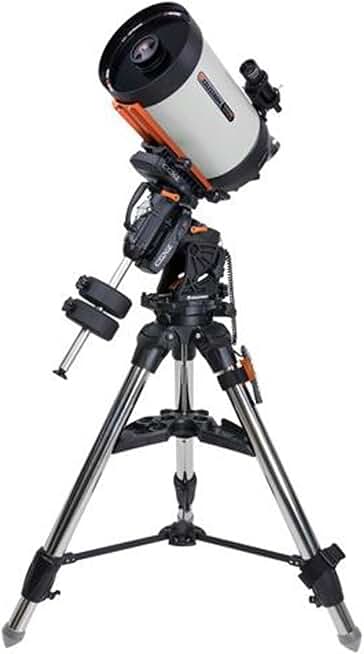
VS
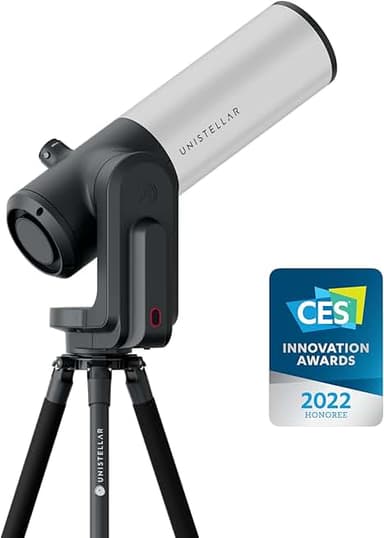
Performance Profile
Score Comparison
Celestron CGX-L 1100Unistellar eVscope 2
Overall
74
81
Value
32
34
Beginner
45
60
Astrophoto
65
73
Portability
40
65
Planetary
62
49
Deep Sky
64
70
Our Take
It depends on your priorities. The Unistellar eVscope 2 wins overall with an 82/100 score and costs $1000 less, while the Celestron CGX-L 1100 EdgeHD offers significantly more aperture for serious deep-sky observation. The critical differentiator is aperture versus technology. The Celestron's 279mm mirror gathers nearly 6 times more light than the Unistellar's 114mm, enabling superior views of faint galaxies and nebulae.
However, the Unistellar's smart features, integrated astrophotography, and genuine portability (9kg versus a much heavier equatorial setup) make it the more practical choice for most amateur astronomers. The Celestron CGX-L 1100 EdgeHD suits experienced observers with permanent observatories who prioritize raw aperture for planetary detail and deep-sky exploration. The Unistellar eVscope 2 belongs with beginners and mobile observers who value convenience, image processing capabilities, and versatility across multiple observation styles.
Choose the Unistellar eVscope 2 unless you have a dedicated observation location and expertise to fully leverage the Celestron's optical advantages. The eVscope's higher overall score, lower price, and superior beginner friendliness make it the smarter investment for most amateur astronomers today.
Key Differences
Why choose Celestron CGX-L 1100
- 279.4mm aperture gathers more light than 114mm
- Higher Planetary score (62 vs 49)
Why choose Unistellar eVscope 2
- $3962 cheaper
- Smart telescope with app control and live stacking
- Faster f/4 for wider field of view
- Higher Beginner score (60 vs 45)
- Higher Portability score (65 vs 40)
- Higher Amazon rating (3.0 vs 1.0 stars)
Specifications
SpecCelestron CGX-L 1100Unistellar eVscope 2
Optical Specs
Aperture279.4mm114mm
Focal Length-450mm
Focal Ratiof/10f/4
Optical DesignSchmidt-Cassegrain-
Mount & Tracking
Mount TypeEquatorialAlt-Az
GoToYesYes
TrackingYesYes
Physical
Weight-9kg
Included Accessories
FinderFinder scopeFinder scope
Pricing & Reviews
Price$8211$4249
Amazon Rating1.0 stars3.0 stars
Reviews212
Try these telescopes in our Eyepiece Calculator:
Related Comparisons
Unistellar eVscope 2 vs Vaonis Vespera ProCelestron CGX-L 1100 EdgeHD vs Celestron CPC 1100 StarBright XLT GPS Schmidt-Cassegrain 2800mm TelescopeCelestron CGX 800 HD vs Celestron CGX-L 1100 EdgeHDCelestron CGX 1100 vs Celestron CGX-L 1100 EdgeHDCelestron CGEM II 1100 vs Celestron CGX-L 1100 EdgeHDCelestron CGX-L 1100 EdgeHD vs Celestron CPC Deluxe 1100 HD